Song Meaning
The lyrics paint a picture of someone trying to convince another person of their suitability, framing their desire as inevitable and almost fated. The repeated assertion, "Ann say it's fine, Ann say it's good," establishes a sense of external validation or perhaps a resigned acceptance from a figure named Ann. This is immediately juxtaposed with the peculiar comparison to "Robin Hood," a figure known for taking from the rich and giving to the poor, which feels like a non-sequitur that might imply a desire to provide or perhaps a playful, slightly rebellious charm. The narrator insists, "Can't you see you were meant for me?" casting their connection as preordained.
The central tension revolves around the narrator's persistent, almost desperate plea to be desired and possessed. They repeatedly state, "I wanna be your toy" and "I wanna be your boy," oscillating between a desire for playful objectification and a more possessive, relational claim. This creates an interesting push-and-pull: are they offering themselves up for amusement, or are they asserting a claim of ownership and belonging? The phrase "twentieth century toy" itself is loaded, suggesting something modern, perhaps disposable, yet also desirable and sought-after within a specific era.
The most striking element is the lyrical repetition and the peculiar "Robin Hood" analogy. The constant return to "Ann say it's fine" and the Robin Hood comparison, alongside the insistent "toy" and "boy" refrains, creates a hypnotic, almost incantatory effect. It hammers home the narrator's singular focus on being wanted, while the Robin Hood line adds a layer of quirky, unexpected imagery that makes the plea feel less straightforward and more like a performance. The narrator seems to be trying on different personas or justifications to win over the object of their affection.
Ultimately, the effectiveness of these lyrics lies in their insistent, almost childlike repetition and the slightly off-kilter comparisons. The narrator's singular focus on being desired, expressed through the repeated "I wanna be your toy" and "I wanna be your boy," coupled with the enigmatic "Robin Hood" reference, creates a memorable, if somewhat perplexing, portrait of yearning. It's the sheer, unadorned repetition that makes the plea feel both vulnerable and a little bit obsessive, leaving the listener to ponder the true nature of this "20th century boy."
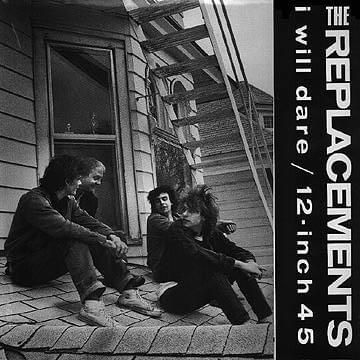
 View Artist