Song Meaning
The lyrics paint a stark contrast between the harsh realities of war and the quiet sorrow of those left behind. The opening lines immediately establish a martial setting, with soldiers marching "За Дунаем, за рекой" (Beyond the Danube, beyond the river) to face "турецкие войска" (Turkish troops). This geographical and military focus is punctuated by the sharp, almost violent image of "Сабли востры, сабли востры" (Sabers sharp, sabers sharp), emphasizing the imminent danger and the cold, gleaming edge of conflict. The repetitive structure of the pre-chorus and chorus creates a sense of relentless movement and enduring grief.
The central tension lies in the juxtaposition of the soldiers' outward march and the internal suffering of a "Раскрасавица жена" (beautiful wife). Her pervasive "тоскует" (longs/grieves) is repeated, underscoring a persistent, aching absence. This domestic pain is brutally interrupted by the shocking, fragmented image of "Вани буйна голова!" (Vanya's wild head!), suggesting a violent death and the devastating news reaching home. The wife's subsequent "зарыдала" (burst into tears) is a raw, visceral reaction to this news, highlighting the profound personal cost of the distant military campaign.
The lyrics employ a powerful, almost folk-like directness. The repetition of "За Дунаем" and "Всё тоскует" creates a hypnotic, somber rhythm that mirrors the cyclical nature of both war and mourning. The abrupt shift from the grand, impersonal march to the intensely personal tragedy of Vanya's head and the wife's tears is jarring and effective. The brief, urgent call to "Ребятушки, стойте крепко! За правду народную!" (Lads, stand firm! For the people's truth!) adds a layer of patriotic fervor, but it’s immediately subsumed by the returning refrain of the grieving wife, suggesting that even grand causes can't fully mask individual heartbreak.
This song resonates because it captures the dual experience of war: the distant, often glorified actions of soldiers and the immediate, devastating impact on their families. The craft lies in its stark imagery and the relentless repetition that amplifies both the march of war and the depth of sorrow. The narrative doesn't shy away from the brutal consequences, grounding the epic scope of a military campaign in the intensely personal grief of a single wife, making the human cost undeniable.
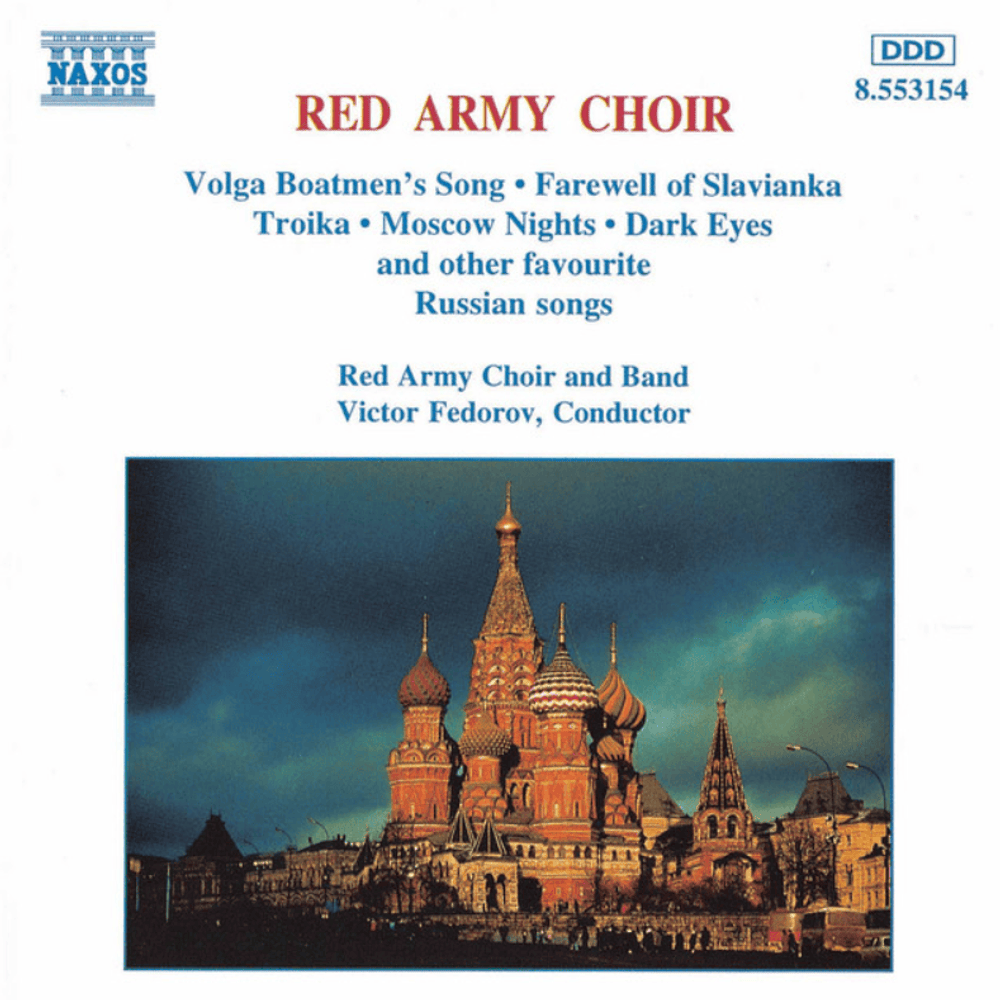
 View Artist