Song Meaning
This isn't a song about a specific person, but a stark, almost clinical observation of urban despair. The narrator walks through London, a city mapped out and controlled, and finds a pervasive sadness. It’s a scene of profound alienation, where every face reflects a shared misery.
The dominant tension lies in the contrast between the physical reality of the city and the internal suffering it breeds. The "charter'd street" and "charter'd Thames" suggest a place that's been surveyed, owned, and perhaps commodified, yet within this structured environment, the narrator hears only "marks of weakness, marks of woe." The very air seems thick with a generalized pain.
The most striking element is the concept of "mind-forg'd manacles." This isn't about literal chains, but the internal prisons people create or are subjected to. The narrator hears these "manacles" not just in adult complaints but in the "Infant's cry of fear," suggesting this despair is innate or learned from the earliest moments, a systemic issue rather than individual failing.
What makes these lyrics so potent is their relentless focus on a collective, almost inescapable suffering. The repetition of "in every" amplifies the sense of universality within this specific urban landscape. It’s a powerful, bleak portrait of a society where freedom is an illusion, and the true chains are invisible, forged in the mind.
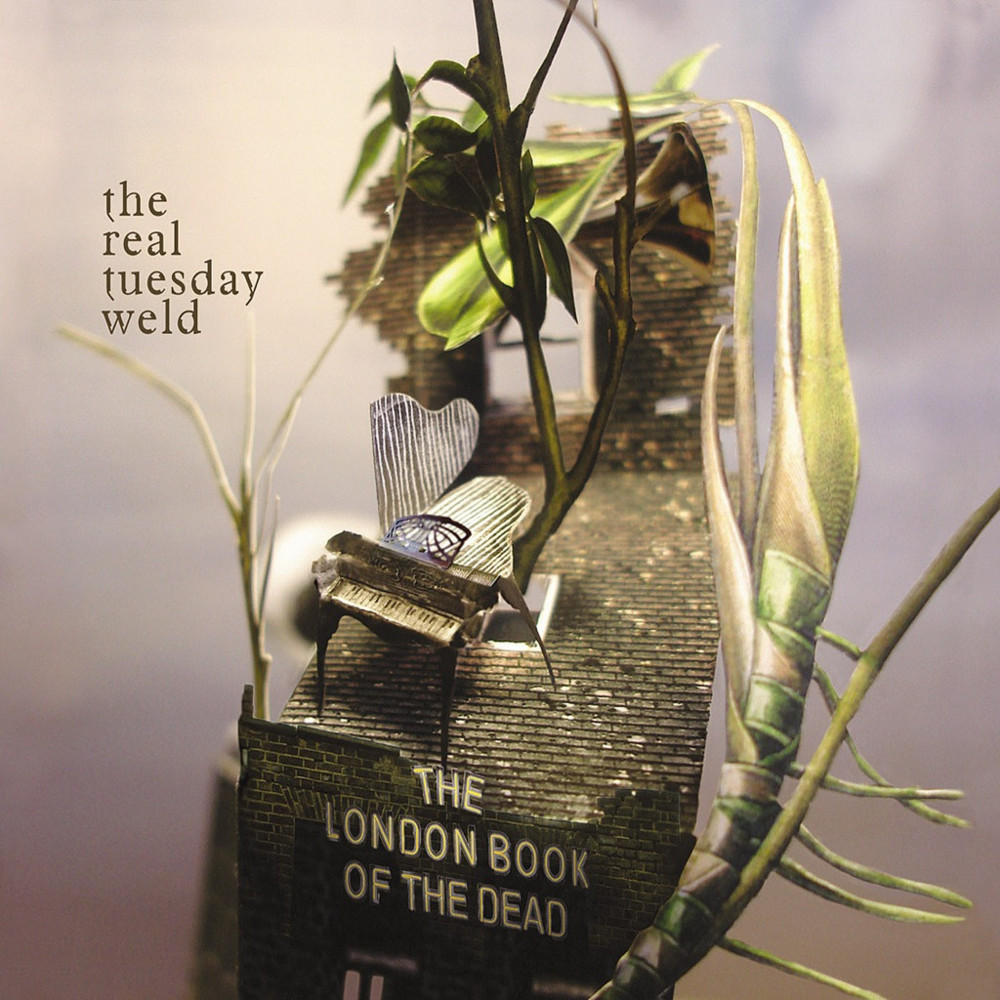
 View Artist