Song Meaning
The lyrics immediately establish a speaker who actively rejects a conventional existence. There's a palpable internal conflict, a feeling of being "torn between two lives." This tension is amplified by a conscious surrender to something "dark."
This central emotional tension stems from an idealized vision of simple, enduring love, contrasted with the speaker's reality of holding onto "someone I can't have." This unfulfilled desire appears to fuel their defiance of the "common people" path, suggesting a deliberate embrace of an alternative, perhaps more solitary, identity.
The striking imagery of "Flowers in the daytime and Lucifer at night" powerfully encapsulates the speaker's internal duality. This vivid contrast isn't just about good and evil; it suggests a public facade versus a private, perhaps darker, reality. The repetition of "To live like common people, I never think I'll do" anchors this rejection as a fundamental, almost unshakeable, aspect of their self-perception.
The effectiveness of these lyrics comes from how they intertwine personal longing with a defiant self-identity. The speaker's obsession with "all the things that we could do" juxtaposed with the acceptance of a "quiet trip where we will meet the end" creates a poignant sense of romantic fatalism. It's a surrender not just to the "dark," but to the inevitable outcome of an unrequited or impossible love, framed as a conscious choice "in defiance of a love not realized."
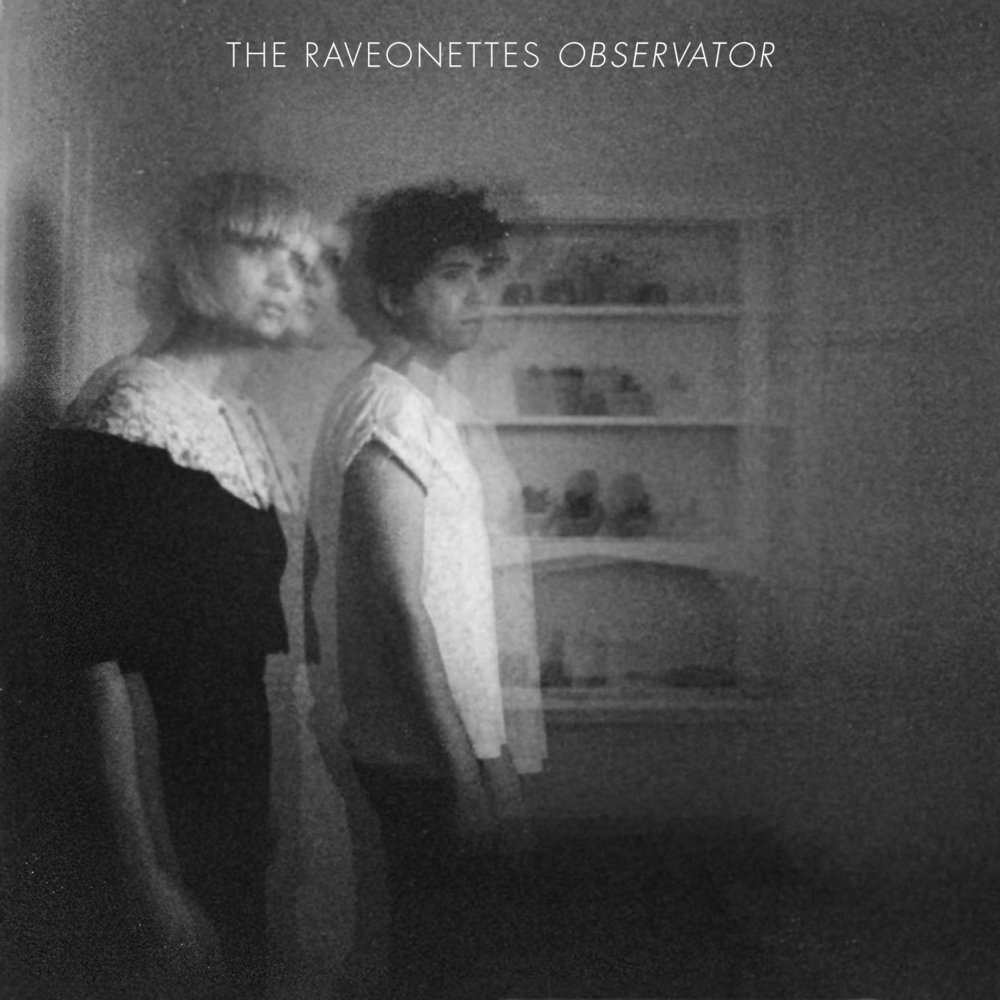
 View Artist