Song Meaning
The lyrics paint a stark picture of love's destructive potential, beginning with a hypothetical scenario of intense, almost suicidal devotion. The narrator questions how one would inflict pain if their sole desire was to perish in another's embrace, highlighting the paradox of love's initial allure versus its potential for deep hurt. This sets a somber, reflective tone, suggesting a past experience where love's end was not a surprise but an expected outcome.
The central tension lies in the narrator's resigned acceptance of love's capacity for devastation. The phrase "love is gone like something you stole" implies a betrayal or a sudden, unwelcome departure, leaving the narrator to "get used to" the aftermath. This isn't a gentle fading; it's an abrupt loss that necessitates a painful adjustment period, underscoring the destructive force at play.
The most striking aspect is the repeated, almost fatalistic assertion that "love can destroy everything." This isn't just about heartbreak; it suggests a broader, more encompassing ruin. The second verse offers a glimpse into a past conflict, where the narrator admits to having "took a shot at your heart," and recalls a warning that love couldn't exist for someone who "tore your dreams apart." This reveals a history of mutual damage, where actions directly led to the destruction of aspirations and, ultimately, the love itself.
Ultimately, the effectiveness of these lyrics stems from their unflinching portrayal of love's dark side. The narrator's lack of surprise and the stark declaration of destructive power create a potent emotional resonance. It's the acknowledgment that love, in its absence or through its actions, can dismantle not just relationships but deeply held hopes and dreams, leaving behind a landscape of ruin that one must simply "get used to."
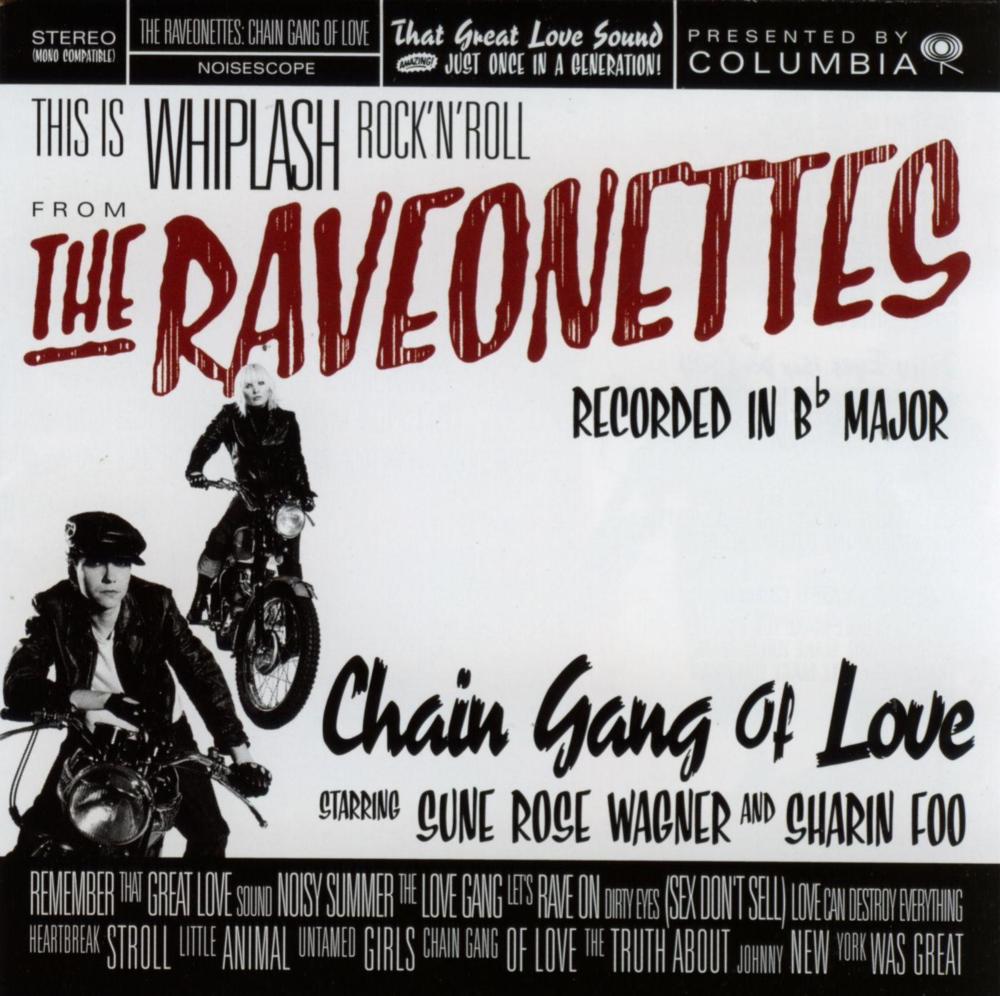
 View Artist