Song Meaning
The narrator offers their body for dissection, a stark image that immediately sets a tone of extreme vulnerability and self-sacrifice. They invite a "first cut" on their chest, framing the act of being cut open as almost a perverse form of intimacy, even suggesting the "cutting is the best." This isn't about pain; it's about a desperate desire for connection, however destructive.
This intense self-offering culminates in the heart being placed in a music box, a fragile container for something so vital. The narrator wants to be "taken out from time to time" to "see you," revealing the core of their fixation. The ultimate admission follows: "my only crime / Was losing the line between your heart and mine." This isn't a confession of wrongdoing in a conventional sense, but an acknowledgment of a boundary dissolved, a self lost within another.
The second verse escalates this theme with the imagery of burning the body, again framing it not as an end but as a transformation. The narrator claims they "won't run from the flames," embracing the destruction as truth. The ashes are scattered, yet the narrator promises to "rise up again, and rain on you from time to time." This suggests a persistent, inescapable presence, a spectral return that allows for a continued, albeit ethereal, connection – a way to "touch" the confessed "crime."
The lyrics' power lies in this relentless, almost masochistic devotion. The narrator doesn't just accept their fate or their perceived fault; they actively invite and even orchestrate it, seeking a perverse form of reunion through physical dissolution and spectral reappearance. The music box and the scattered ashes become potent metaphors for a love that transcends physical existence, demanding a constant, consuming presence even in absence.
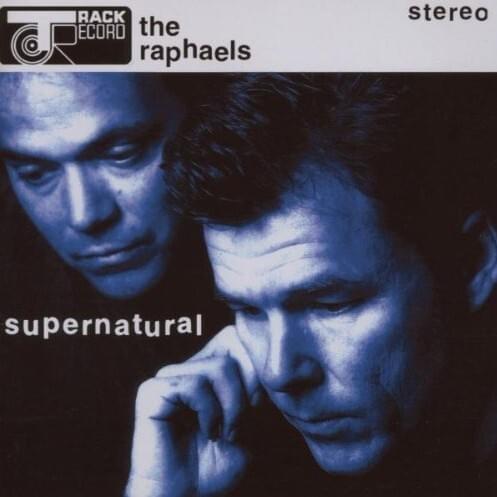
 View Artist