Song Meaning
This track opens with a stark, almost desperate plea: "SOS to the only / Satellite to the one." The narrator immediately establishes a profound sense of isolation, feeling "a little lonely / On this side of the sun." This isn't just a passing mood; it's framed as a cosmic predicament, a feeling of being adrift and unheard in a vast expanse. The repetition of "SOS" acts like a distress signal, a raw, unvarnished cry for connection.
The central tension lies in the persistent hope for an answer against overwhelming feelings of sadness. The narrator admits, "Sometimes feel like crying / On this side of the moon," juxtaposing the celestial imagery with very human vulnerability. This isn't a quiet despair; it's an active, ongoing struggle, as indicated by "keep on trying / Hope an answer comes soon." The lyrics suggest a deep-seated belief that help is possible, even if the current reality is bleak.
The most striking aspect of the craft is the recurring, almost mantra-like invocation of "SOS to an angel / Satellite to the sun." This phrase elevates the plea beyond a simple personal request; it becomes a universal call for guidance or salvation. The imagery of a "satellite" suggests a technological, yet distant, means of communication, while "angel" points to a more spiritual or benevolent force. The narrator's assertion, "And I'm not the only one," transforms the personal cry into a shared experience, hinting at a collective yearning for rescue.
Ultimately, the effectiveness of these lyrics stems from their directness and the potent blend of cosmic scale with intimate emotion. The simple, repeated structure of the chorus, combined with the evocative, yet accessible, imagery of celestial bodies and tears, creates a powerful sense of longing. It captures that universal feeling of being small and overwhelmed, yet still reaching out for something more, a shared human experience amplified by the vastness of space.
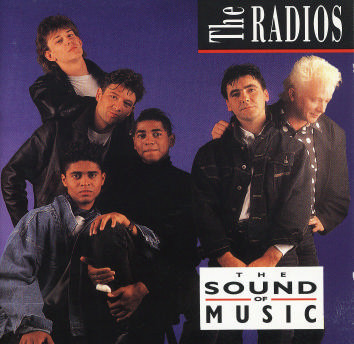
 View Artist