Song Meaning
The lyrics paint a picture of someone withdrawn from life, existing in a perpetual state of sleep. The opening lines establish a cyclical, almost passive existence: "Sleeping when the day breaks, dreaming as the evening falls." This isn't just about rest; it's about an active avoidance of consciousness, a deliberate disengagement from the world. The phrase "He's got no more headaches" suggests a cessation of suffering, but it comes at the cost of leaving "empty walls" behind, implying a void where connection or presence once was.
The narrator grapples with this detachment, acknowledging "I know it's not my place" to judge or question. Yet, there's a profound bewilderment at the subject's choice. The lyrics pose a series of questions that highlight the perceived paradox: "What commitment? What grace? To just refuse to be alive." This framing suggests that even in its finality, the act of giving up life is viewed with a strange, almost awe-filled confusion, as if it requires a peculiar kind of resolve.
The repetition of the opening stanza reinforces the inescapable nature of the subject's state and the narrator's contemplation. The core tension lies between the subject's apparent peace in oblivion ("no more headaches") and the narrator's inability to comprehend or reconcile this choice with the concept of living. The lyrics don't offer easy answers, instead focusing on the quiet, unsettling observation of someone choosing to be absent.
This piece resonates because it captures the isolating experience of witnessing a loved one's withdrawal. The power comes from the narrator's quiet, almost resigned perplexity. The simple, stark imagery of "empty walls" and the contrast between "day breaks" and "evening falls" create a somber mood, emphasizing the profound stillness of someone who has opted out of the daily rhythm of existence.
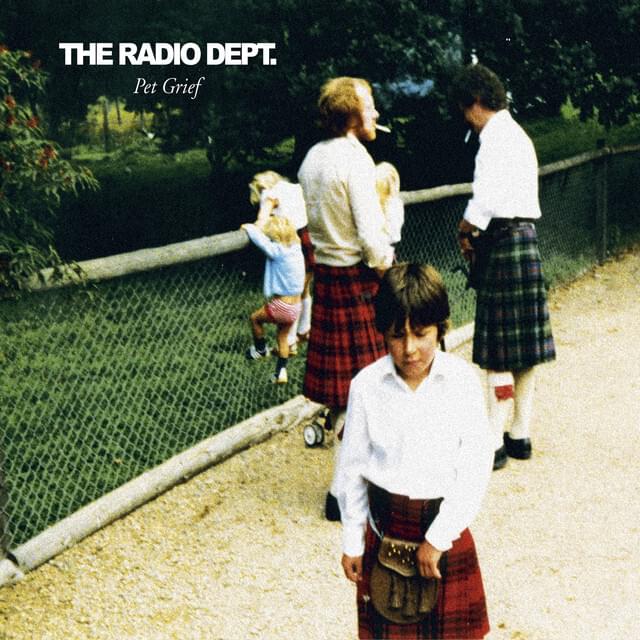
 View Artist