Song Meaning
This song paints a picture of pure, unadulterated joy, built not on material wealth but on an internal sense of well-being. The narrator dismisses the need for money, finding fulfillment in simple, almost elemental pleasures. The recurring question, "Why shouldn't we sing?" underscores a feeling of unshakeable contentment that bubbles over into song. It's a celebration of having *enough*, where 'enough' is defined by rhythm, music, and a deep-seated peace.
The central tension, if you can call it that, is the contrast between external circumstances and internal feeling. While days might be sunny, the real source of happiness isn't the weather but the narrator's inner state. The lyrics explicitly state, "Don't need what money can buy," directly countering societal pressures to accumulate wealth. This isn't about stoicism; it's about a profound realization that true riches lie within, making external validation or possessions irrelevant.
The repeated refrain, "Who could ask for anything more?" acts as a powerful anchor, solidifying the narrator's perspective. It's a rhetorical question that emphasizes the completeness of their current state. The imagery of "daisy's in green pastures" and "star light" evokes a pastoral, almost idyllic scene, suggesting a connection to nature and a serene existence. Even the dismissal of "old men travel" who "won't find them / Around my door" subtly reinforces this insular, self-contained happiness, keeping external worries at bay.
Ultimately, the effectiveness of these lyrics lies in their directness and the infectious optimism they convey. By focusing on fundamental elements like rhythm and music, the song taps into a primal sense of joy. The simple, declarative statements about having these things create a powerful emotional resonance, suggesting that a life rich in spirit requires very little else. It's a reminder that contentment can be found in the most basic, yet profound, aspects of existence.
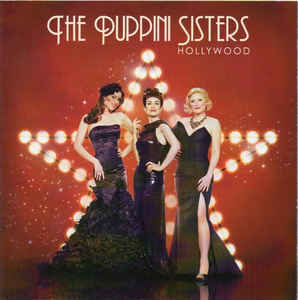
 View Artist