Song Meaning
The lyrics paint a stark picture of desolation and disillusionment, setting a mood that feels both intensely personal and universally bleak. The opening lines immediately establish a sense of internal decay and external gloom, with "a flight of crows my insect heart" and "the ticking veins this godless dark." This isn't just a bad day; it's a pervasive sense of emptiness and pain, amplified by "the druggy days the pointless pain" and "the letterbox that's full of rain." The narrator seems trapped in a cycle of despair, where even moments meant for joy are corrupted into something hollow.
The central tension arises from the stark contrast between the narrator's self-proclaimed identity as "the boy that invented rock & roll" and the utter lack of vitality or hope in their surroundings. This invented figure, meant to embody a revolutionary, life-affirming force, is instead surrounded by "bloodless art," "starless dark," and a "bag of tears where love is gone." The very act of invention, or perhaps the legacy of it, has led not to creation but to a profound sense of loss and decay. The "darling days" are now just a "siren song," luring towards further ruin.
The most striking aspect of the craft is the relentless use of oxymorons and negations to describe what should be vibrant concepts. "Glitter hips" are paired with "bloodless art," "breathless air" with a "frozen tide," and "greenless spring" with a "timeless night." This linguistic dissonance underscores the narrator's internal state – a profound disconnect between a potentially exciting past or identity and a present that is utterly devoid of life, energy, or forward momentum. The "suicidal drunken dance" perfectly encapsulates this destructive, self-negating energy.
Ultimately, these lyrics resonate because they articulate a specific kind of existential dread, not through grand pronouncements, but through a series of bleak, concrete images. The power of "I Am The Boy That Invented Rock & Roll" lies in its subversion of a potentially triumphant declaration into an anthem of profound emptiness. It suggests that even the most potent cultural forces can, in the wrong context or through the wrong lens, become markers of decay and loss, leaving the self adrift in a "godless dark."
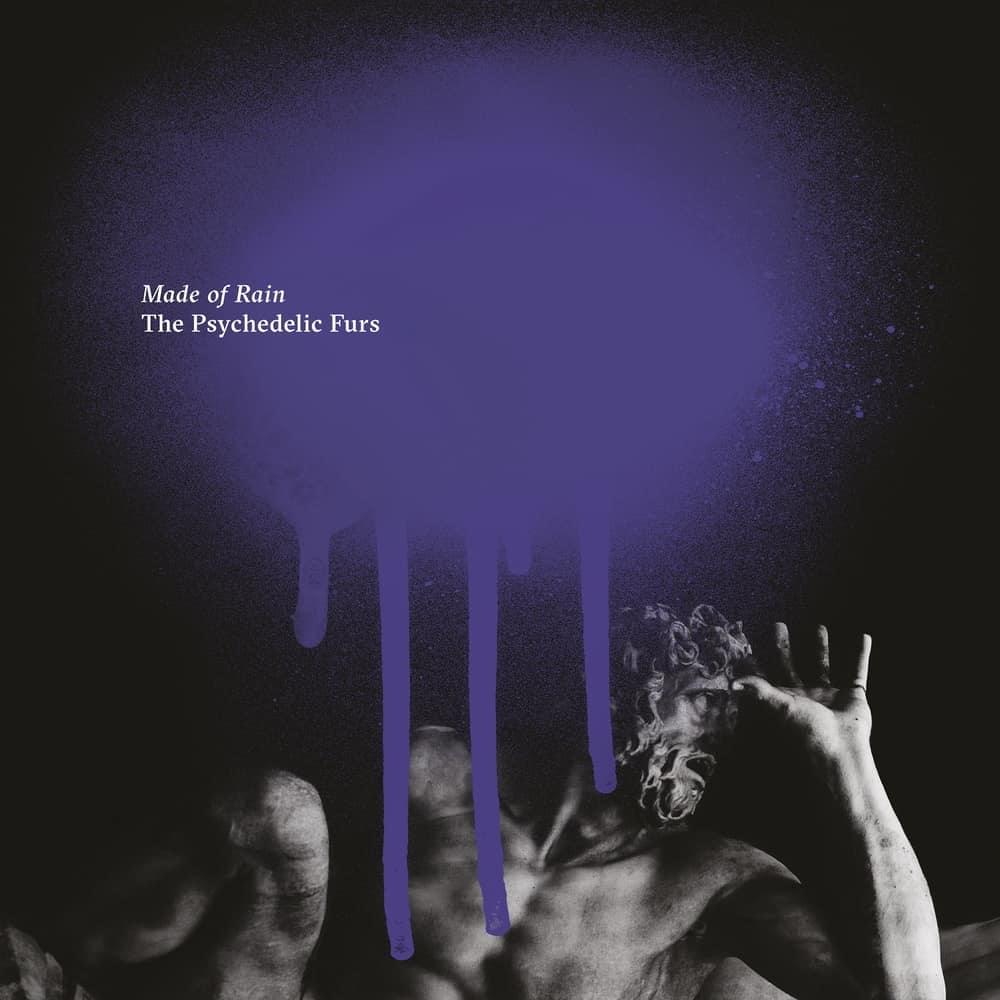
 View Artist