Song Meaning
The lyrics paint a stark, almost surreal picture of a desperate situation, tinged with a weary resignation. The opening lines about "mercury" suggest a hidden truth or a dangerous element the speaker wishes the other person would confront directly. This sets a tone of unspoken anxieties and a desire for honesty that seems perpetually out of reach. The imagery of "singing startles the night" and the "moon is hunting you" creates a sense of unease and pursuit, trapping the subject in a perpetual state of dread.
The core tension lies in the futility of escape or salvation, regardless of the time of day. The repeated "It's not as though you can go to heaven" emphasizes a profound sense of hopelessness, suggesting that peace or resolution is impossible. This bleak outlook is amplified by the question, "So why do you stay alive when you're left to die?" which highlights a painful paradox: the struggle to exist in a state that feels already condemned. The speaker’s own admission, "I swear I never tried to try," further complicates this, hinting at a complex, perhaps self-sabotaging, relationship with effort and survival.
The most striking element is the final, almost whispered confession: "Never tried to run down the waterfall to watch you fall." This image is incredibly potent, suggesting a deep-seated, perhaps subconscious, desire for the other person's downfall, juxtaposed with a denial of active participation. It implies a passive, observational cruelty, or perhaps a twisted form of empathy where witnessing the inevitable destruction is the only interaction left. The phrase "all right" is delivered with a heavy irony, underscoring the complete absence of well-being.
This writing is effective because it bypasses direct emotional declaration for a series of unsettling images and paradoxical statements that build a powerful atmosphere of despair. The fragmented thoughts and the speaker's own conflicted admissions create a sense of raw, unvarnished psychological distress. The lyrics don't offer comfort; instead, they force the listener to confront the uncomfortable realities of helplessness and the dark undercurrents of human interaction when hope has long since evaporated.
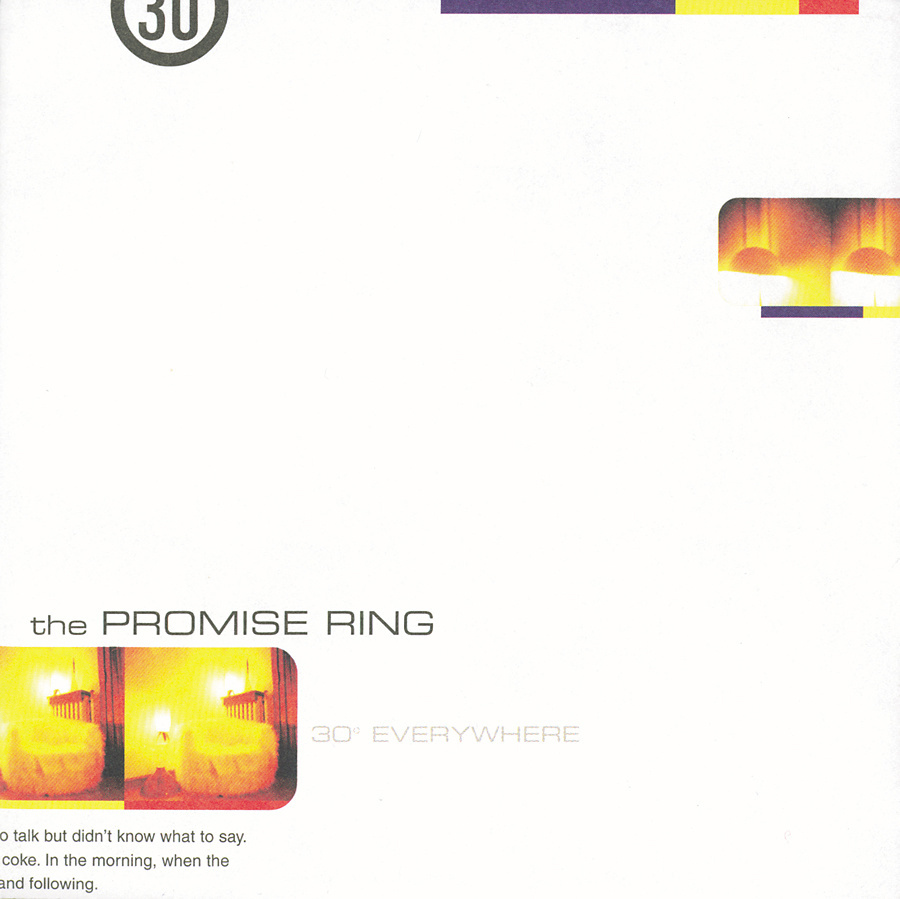
 View Artist