Song Meaning
The lyrics paint a picture of hazy disillusionment, where a relationship's end is framed by a sense of divine or natural collapse. The narrator admits to losing their clarity through alcohol, a state that mirrors the fading of external signs of hope or beauty. The repeated phrase "overall over now" hammers home the finality of a season, perhaps a relationship, that has definitively ended. The imagery of "clouds brightening" and "heaven overflowed" initially suggests a positive turn, but this is immediately undercut by the narrator's impaired vision and the subsequent pronouncement that "heaven is over."
The central tension lies in the contrast between a potentially beautiful external world and the narrator's internal fog. While the "clouds are brightening," the narrator is "lost my eyes in alcohol," unable to perceive this change. This disconnect creates a poignant sense of missed opportunity or inability to appreciate the good. The idea of "catching the notes of an eye" and "catching your eyes" suggests a fleeting moment of connection or recognition that is ultimately overshadowed by the pervasive sense of an ending.
The most striking element is the cyclical and almost liturgical repetition of "Clouds are brightening cause heaven has overflowed" and "overall, overall over now." This repetition, especially when juxtaposed with the narrator's self-described blindness, creates a disorienting effect. It's as if the world is offering signs of renewal, but the narrator is trapped in a loop of despair and intoxication, unable to break free. The phrase "I live across the street from heaven" is particularly evocative, implying proximity to something wonderful yet remaining eternally outside of it, especially now that "heaven is over."
Ultimately, the lyrics resonate because they capture the feeling of being adrift when a significant period or relationship concludes. The writing effectively uses the metaphor of impaired vision and the stark pronouncement of endings to convey a deep sense of loss and detachment. The juxtaposition of external beauty with internal darkness makes the narrator's state feel both specific and universally understood when facing the end of something cherished.
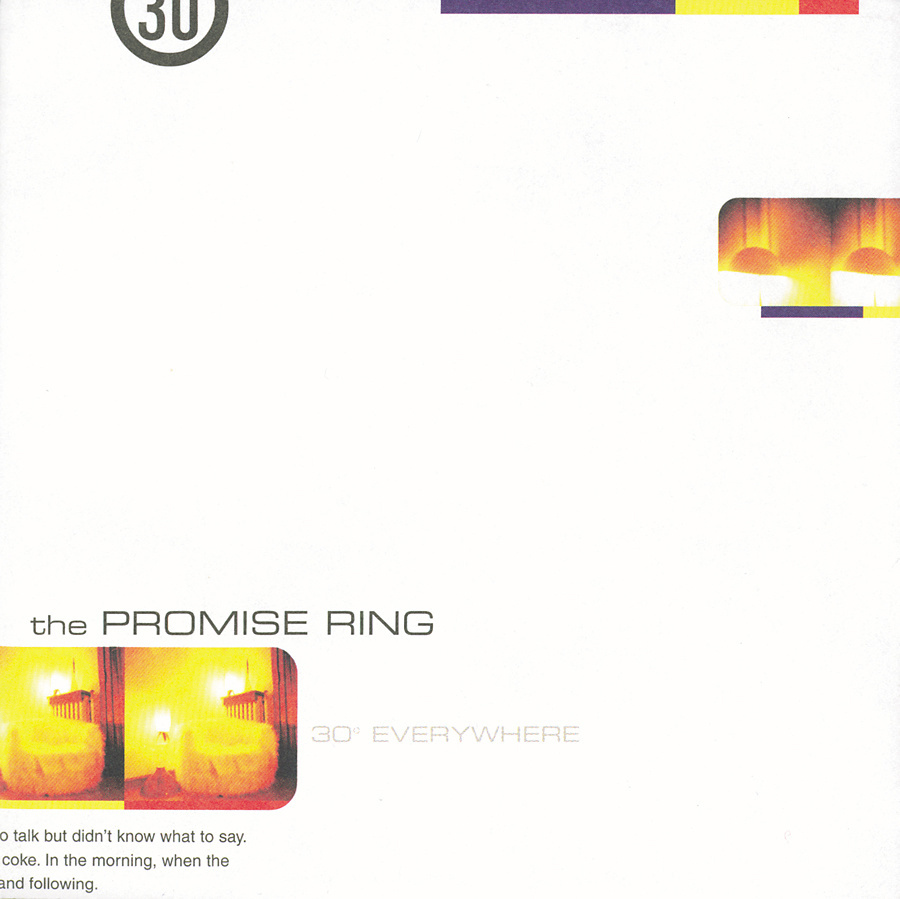
 View Artist