Song Meaning
The lyrics paint a stark picture of inherent condemnation, opening with the paradoxical assertion that we are "born innocent, found guilty." This sets up a central tension: the natural state of innocence is immediately met with a societal or existential judgment, framing the very act of "living life" as a transgression. The repetition of this core idea, coupled with the bleak observation that "our best never beats our worst," underscores a pervasive sense of inescapable failure and predetermined negative outcomes, making the experience feel both absurd and deeply unsettling.
The narrative then shifts to explore the mechanisms of blame, listing "parents, religion, the papers and the television" as external scapegoats. Yet, it quickly turns inward, suggesting a self-inflicted cycle: "We blame ourselves for causing pain" and "love to blame." This self-sabotage is further illustrated by the tendency to discard things that cause self-hatred, only to replace them with new sources of discontent, reinforcing the idea that the guilt is not external but deeply ingrained.
The most striking aspect of the craft lies in the extended legal metaphor. The repeated lines about making "claim and counter claim" and attempting to "bribe the jury" highlight a futile struggle against an already decided fate. The chilling conclusion, "Their verdicts already in, You can't win," solidifies the feeling of powerlessness. This legal framework isn't about seeking justice, but about the performative, ultimately meaningless, defense against an inevitable conviction, amplifying the sense of being trapped in a system designed for failure.
Ultimately, the effectiveness of these lyrics stems from their unflinching portrayal of a bleak, deterministic worldview. By consistently returning to the core paradox of "born innocent, found guilty" and employing the oppressive imagery of a rigged legal system, the song creates a powerful emotional resonance. It taps into a feeling of existential unfairness, where effort is futile and judgment is absolute, making the listener confront a profound sense of being perpetually on trial.
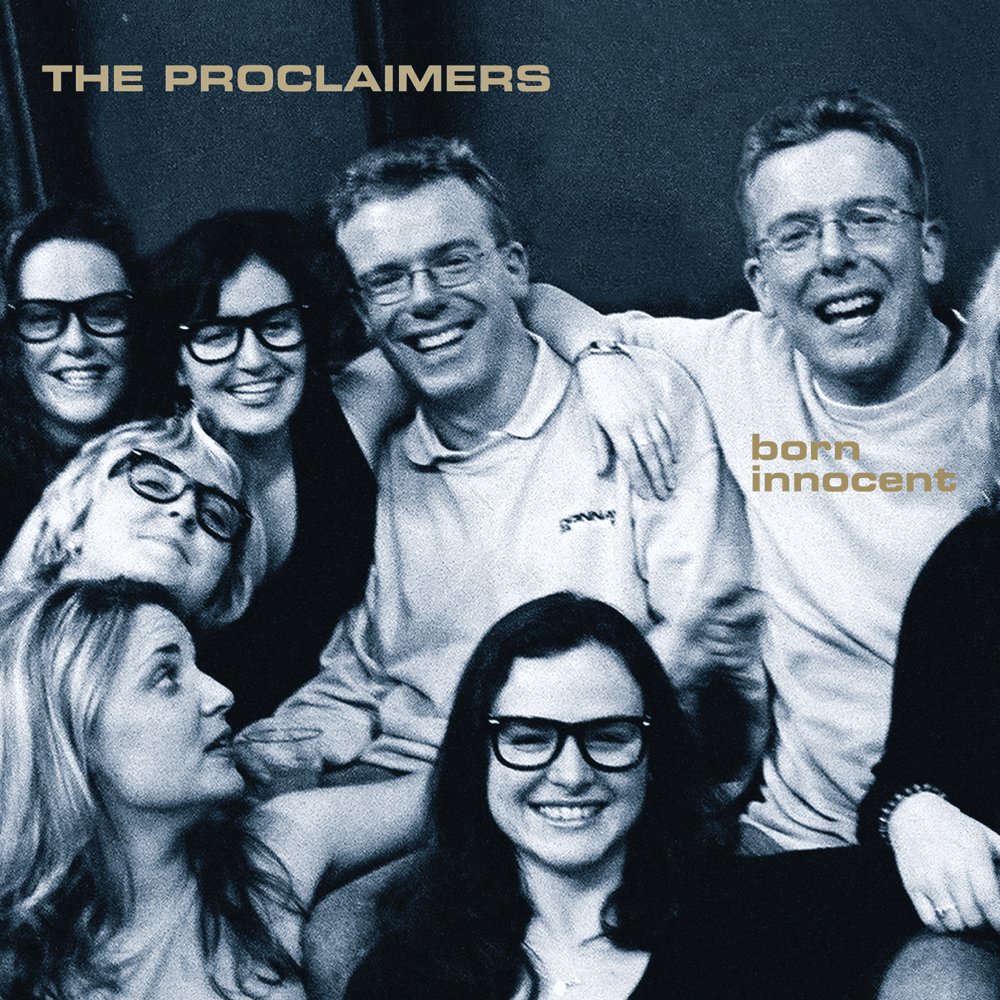
 View Artist