Song Meaning
The lyrics paint a picture of profound loneliness and a struggle against encroaching despair. A passing train at night serves as a stark interruption, pushing the promise of morning further away. The scene is set with a "wet wall by the playground" glistening in the rain, a visual that mirrors the narrator's internal state. Crying is presented not as an anomaly, but as a natural, almost expected response, much like parents might describe a child's tears.
The central tension lies in the contrast between outward appearances and internal reality, particularly regarding sorrow and memory. The narrator observes that "silence makes the memory loud," suggesting that quiet moments amplify past pains. This is juxtaposed with the idea that "empty hearts can beat as loud / As full ones during the day," implying that a lack of fulfillment doesn't equate to a lack of feeling, and perhaps even intensifies it. The lyrics suggest a cyclical battle, where attempts to "chase away with light" are ultimately futile as "evening turns to night."
The craft here hinges on evocative, almost melancholic imagery and a subtle personification of memory. The train, a symbol of movement and connection, becomes an agent of isolation when it passes in the night. The "memories start to shout" as the "sky and locomotive / Let the tears run out," a powerful image that blurs the external environment with the narrator's emotional release. This confluence of external elements and internal feeling underscores the overwhelming nature of the narrator's sorrow.
Ultimately, the effectiveness of these lyrics stems from their grounded, almost mundane details that carry significant emotional weight. The specific, yet relatable, imagery of a rainy night, a playground, and a passing train creates a palpable atmosphere of isolation. The writing doesn't shy away from difficult emotions, instead presenting them as natural occurrences, making the narrator's quiet struggle feel deeply resonant.
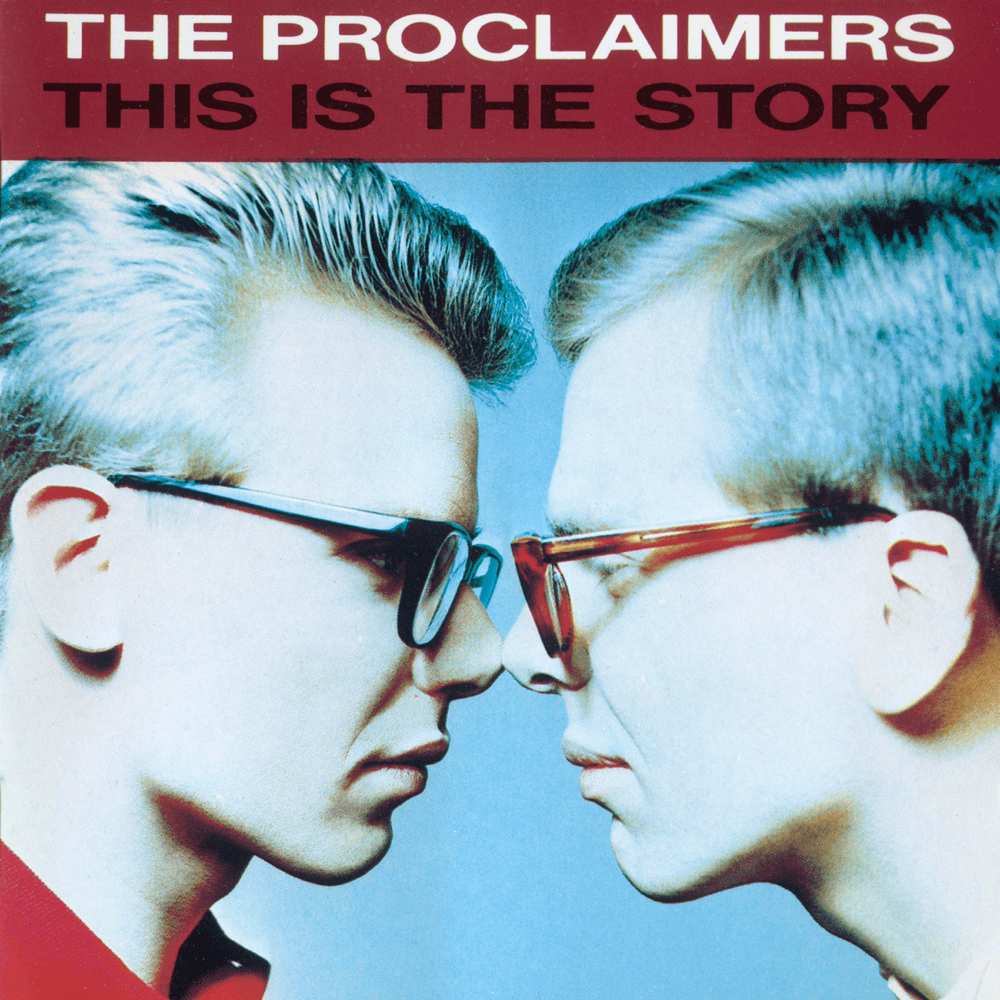
 View Artist