Song Meaning
The lyrics paint a picture of a relationship teetering on the edge, fueled by a desperate plea and a clear sense of being taken advantage of. The narrator directly states, "You don't love me, I know," establishing a foundation of unreciprocated feelings. This isn't a subtle hint; it's a blunt acknowledgment of the emotional imbalance at play.
The central tension arises from the narrator's conflicting desires: they recognize the exploitation – "Takin' all my money and all my clothes" – yet simultaneously beg for the relationship to continue. This creates a powerful push-and-pull, where the logical understanding of being wronged clashes with an apparent fear of abandonment. The repetition of "Takin' all my money and all my clothes" hammers home the transactional nature of the relationship, while the repeated "Please don't leave me" reveals the narrator's vulnerability.
The most striking element is the stark contrast between the narrator's material and emotional depletion and their fervent pleas. They are being stripped bare, both financially and perhaps emotionally, yet their primary concern is the other person's departure. The line "Well, I'll loose my mind / Go stone crazy, yes I know" suggests a deep-seated fear of solitude or a complete loss of self if this exploitative relationship ends. It's a desperate clinging to a known, albeit damaging, situation over the unknown terror of being alone.
This dynamic is effective because it captures a raw, almost primal fear of loss, even when the source of that potential loss is actively harming the narrator. The simple, direct language amplifies the emotional weight, making the narrator's predicament feel immediate and deeply personal. The repeated phrases function like a mantra of desperation, underscoring the cyclical nature of their plea and their perceived helplessness.
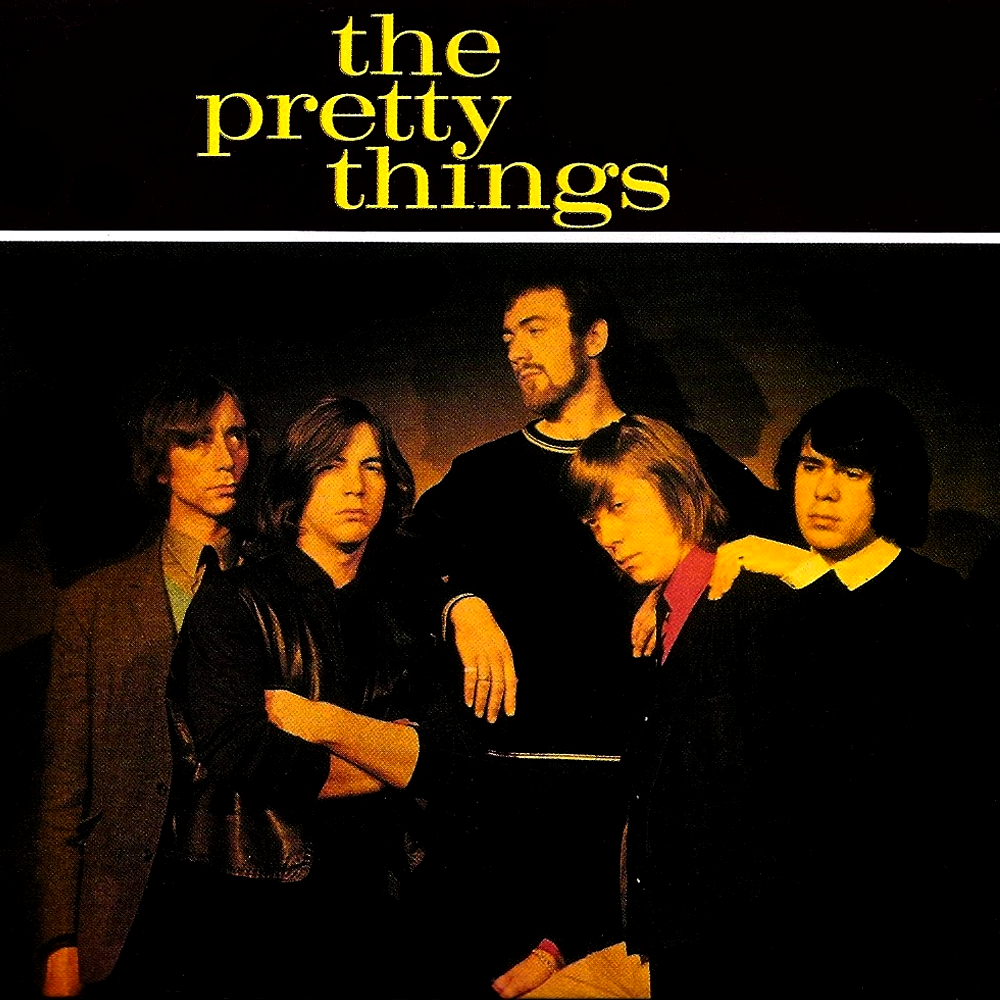
 View Artist