Song Meaning
The lyrics open with a stark "Lights out," a phrase repeated to establish a sense of finality or exhaustion. This is immediately juxtaposed with "Goodnight, shuteye," which sounds almost like a forced pleasantry, quickly followed by a description of someone "soothing seething, brooding." The narrator then asks a pointed question: "Are you breathing?" This creates an immediate tension, hinting at a relationship or situation where genuine life or presence is in question, despite the outward appearance of peace.
The core of the song seems to grapple with a profound existential unease disguised by mundane routines. The transition to "New day" brings not hope, but an "Endless chasm barking blue grey," a bleak image that suggests a void or despair. The question "Are we living in a tombstone smiling?" is particularly striking, presenting a chilling paradox of life and death, suggesting a hollow existence. The repeated "Are we there yet?" amplifies this feeling of being stuck, perpetually waiting for a destination that may never arrive, highlighting a sense of aimless progression.
The writing employs a disorienting blend of domesticity and dread. The mention of "Father fickle loves to tickle" and "Sister caffeine" grounds the narrative in familiar, almost childlike imagery, but it's undercut by the sinister undertones of "fickle" and the frantic energy of "caffeine fill my inside churning." This contrast between comforting and unsettling elements creates a disquieting effect. The final plea, "I'm collapsing, won't you turn the lights out?" is a desperate cry for an end to the overwhelming sensory input and emotional turmoil, a wish for oblivion.
This lyrical construction effectively captures a feeling of being overwhelmed and disconnected. The repetition of key phrases like "Lights out" and "Are we there yet?" hammers home a sense of cyclical despair and an inability to escape the present moment or find resolution. The juxtaposition of seemingly innocent words with dark, existential questions forces the listener to confront the unsettling reality beneath the surface, making the narrator's exhaustion palpable and deeply resonant.
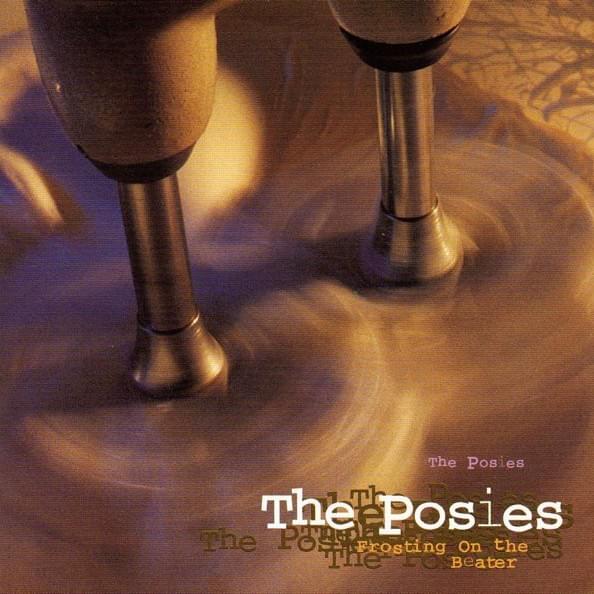
 View Artist