Song Meaning
The narrator is grappling with a profound sense of regret and a desire for a reset, asking permission to "acquire someone else's disenchantment." This isn't about finding a new love, but rather absorbing the weariness of another to escape their own current state. The plea to "take me back" and "teach me" suggests a feeling of being lost, needing guidance to unlearn past mistakes or to simply return to a simpler, less complicated existence. The repeated line "I never meant to be" underscores a deep-seated dissatisfaction with their present self or circumstances.
The core tension lies in the narrator's wish to shed their current identity and experiences, symbolized by the desire to "reconnect to another time and place" and "reconsider letting loose and running rampant." Yet, there's a paradoxical acknowledgment that this escape might be futile, as indicated by the warning, "Don't forget you might just drink the water." This implies that even in seeking a new perspective, one might still be bound by their inherent nature or the consequences of their actions. The phrase "won't take much with me" hints at a desire for a clean slate, but the "open mind and a second nature" suggest that some core elements are inseparable.
The lyrics employ a fascinating blend of the abstract and the concrete. The request to "acquire someone else's disenchantment" is a striking, almost clinical image for emotional transference. Later, the idea of "stones" bearing a message of "Don't expect too much - you might be disappointed" offers a stark, almost tombstone-like finality. This contrast between the abstract desire for change and the concrete, cautionary imagery creates a powerful sense of impending doom or the inevitability of disappointment, even when seeking solace or a new beginning.
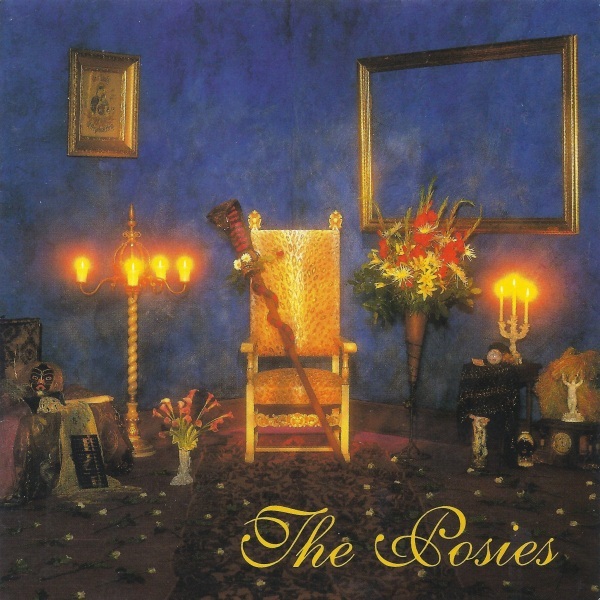
 View Artist