Song Meaning
The lyrics paint a stark, almost sterile picture of escape. The opening lines establish a sensory deprivation, with a "blue and icy" sky and "no sound," immediately contrasting with the implied chaos of the "city." This isn't a gentle transition; it's a deliberate severing from urban life, emphasizing the relief found in its absence. The repetition of "Free from the city" acts as a mantra, reinforcing the core desire and the feeling of liberation.
The central tension lies in the narrator's rejection of "time" and the "smokey haze" of their former environment. The line "It used to be that it's in me" suggests a past where the narrator was consumed by the city's pace and pollution, a state they have now actively shed. The "clean air" is not just physical but mental, cleansing the mind and offering a profound sense of renewal.
The most striking craft element is the recurring, almost accusatory question: "Where did your sun gaze?" directed at the city's implied inhabitants. This rhetorical question, paired with the "smokey haze," implies that the city dwellers are blinded or lost, unable to see the clear sky or experience the same clarity the narrator now enjoys. The window serves as a barrier, allowing the narrator to observe the city's obscured reality from a place of newfound peace.
This lyrical passage achieves its impact through sharp contrasts and a focus on sensory experience. The silence and blue sky of nature are pitted against the implied noise and haze of the city, creating a powerful emotional dichotomy. The narrator's liberation feels earned, a direct result of leaving behind the suffocating elements of urban existence and embracing a pristine, silent world.
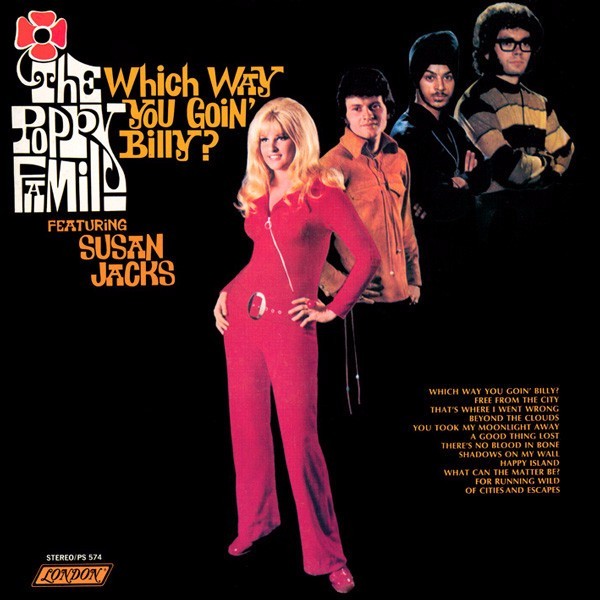
 View Artist