Song Meaning
Elliott Smith's "Let's Get Lost" isn't a romantic invitation; it's a stark declaration of self-sabotage disguised as a quest for beauty. The core sentiment revolves around deliberate isolation. The opening lines, "I've been outside, invited in, but I couldn't abide, went missing again," paint a picture of someone actively rejecting connection, choosing instead the allure of disappearing. It's not merely wandering, but a proactive severing of ties. The repeated motif of "burning every bridge that I cross" underscores the finality of this choice. He isn't passively lost; he engineers his own exile. The psychological undercurrent here is powerful: a potential fear of intimacy or commitment manifests as a need for constant escape.
The second verse deepens the emotional complexity. "I had true love, I made it die, I pushed her away, she said please stay" is a brutal admission of complicity in his own heartbreak. This isn't a tale of woe, but a confession of agency. He actively destroyed a loving relationship, suggesting a deep-seated belief that he's unworthy or incapable of maintaining it. The repetition of the bridge-burning imagery links romantic destruction to his overall pattern of self-isolation. The "beautiful place to get lost" becomes less about physical location and more about a psychological state – a refuge from connection and responsibility.
Ultimately, "Let's Get Lost," as a song, is a portrait of calculated loneliness. The lyrics suggest a cyclical pattern of invitation, rejection, and self-imposed exile. The final verse, "Well I don't know where I'll go now / And I don't really care who follows me there," reinforces the sense of detachment. It's not a hopeful search, but a resigned acceptance of a solitary path. The "beautiful place to get lost" remains an elusive, perhaps unattainable, ideal – a siren song luring him further into isolation. The song's meaning lies in the tension between the desire for connection and the overwhelming compulsion to destroy it.
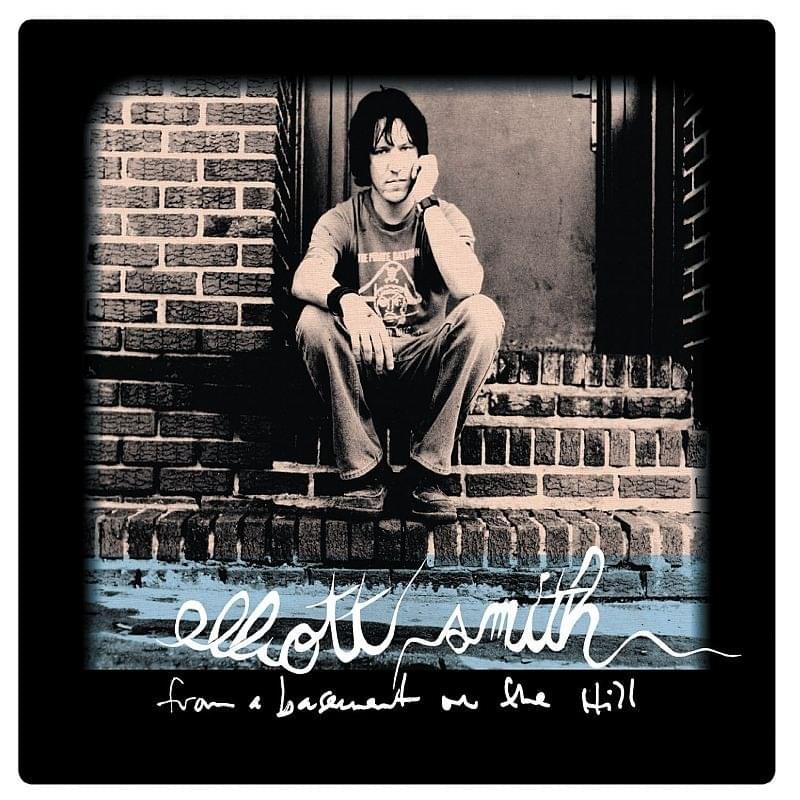
 View Artist