Song Meaning
The narrator opens with a stark declaration: "I fall apart / For no one." This immediately sets up a tension between a desire for emotional release and a self-imposed isolation. The repetition emphasizes a practiced stoicism, a defense mechanism built over time because, as the lyrics suggest, "I've been smart / For too long." This isn't about being clever, but about a long-held, perhaps weary, strategy of emotional self-preservation.
The core conflict emerges in the chorus, where the narrator admits to a profound deception: "I was lying / I pretend / To live alone." This isn't just about being single; it's a pretense of self-sufficiency, a facade maintained even while facing an internal "end." The repeated "I was lying" underscores the depth of this internal disconnect, a constant performance of being okay when the reality is far more fragile.
The second verse introduces a profound uncertainty about the duration of this struggle. "And who knows / Just how long?" the narrator asks, admitting, "I suppose / I'm not that strong." This vulnerability cracks the carefully constructed facade, revealing the exhaustion beneath the pretense. The contrast between the initial claim of falling apart for no one and this later admission of lacking strength highlights the immense effort required to maintain the lie.
Ultimately, the effectiveness of these lyrics lies in their raw, unvarnished portrayal of internal conflict. The simple, direct language and the insistent repetition create a sense of being trapped in a loop of self-deception. The narrator isn't seeking external validation but is wrestling with their own capacity to endure, making the admission of weakness feel like a significant, albeit painful, step.
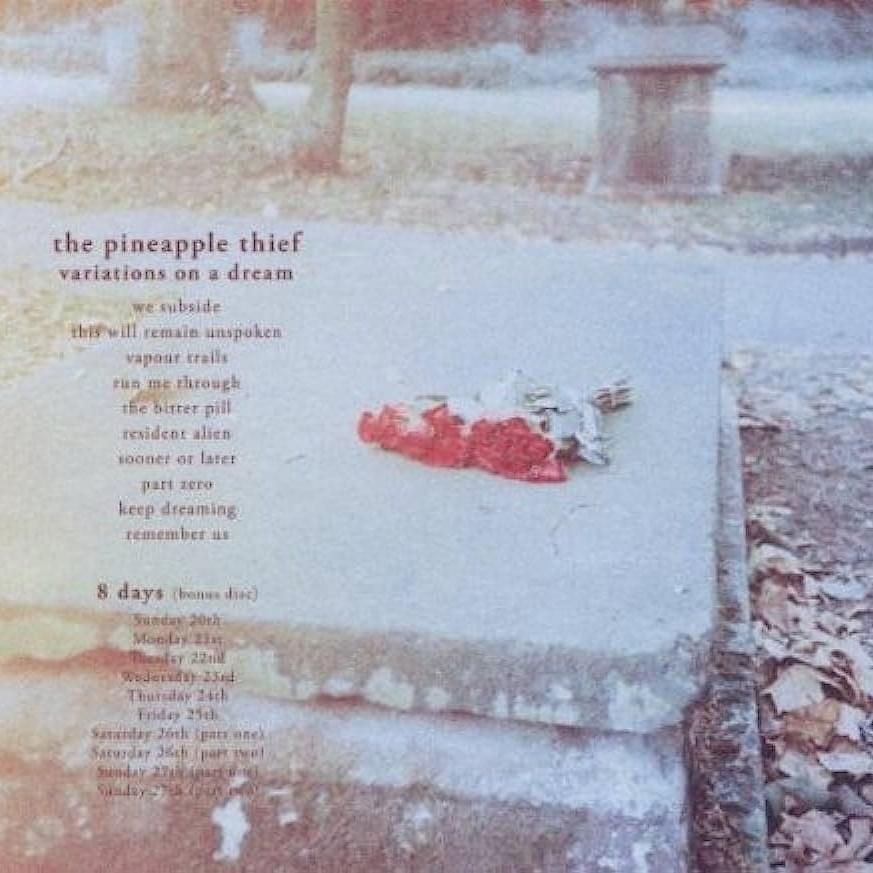
 View Artist