Song Meaning
The lyrics paint a picture of post-rain melancholy, a "wet sun" and a familiar dizziness setting in. The narrator feels empty-handed, only the palms of their hands burning, a sensation that seems to signify a nascent, perhaps painful, awakening. This feeling is amplified by a heavy sky that feels like it might never give way to a new day, yet the narrator claims to have witnessed a moment of its turning.
The core conflict emerges from a persistent, shapeshifting "monster" that steals everything and keeps drawing the narrator away. This entity is tied to an "unfading illusion," suggesting an internal struggle or a captivating but destructive force. The imagery of a "fallen muse" and a "silent era" further deepens this sense of creative or spiritual stagnation, a stark contrast to the initial feeling of potential change.
A striking image is the narrator diving to the "bottom of the sea" and hiding in a "giant bubble," finding solace in the "ordinary coelacanth." This moment of perceived contentment, however, is fleeting, as the narrator admits they can no longer say they are "satisfied." This highlights a tension between seeking refuge in the mundane and the persistent pull of the destructive "monster."
The resolution, or at least a shift in perspective, arrives with the mention of a "third eye" that knows the way, and the "door to a dazzling world" opening. This suggests an internal vision or intuition guiding the narrator toward a new beginning, a chance to "start something again." The lyrics effectively use this internal, almost mystical, guidance to counter the external or internal "monster."
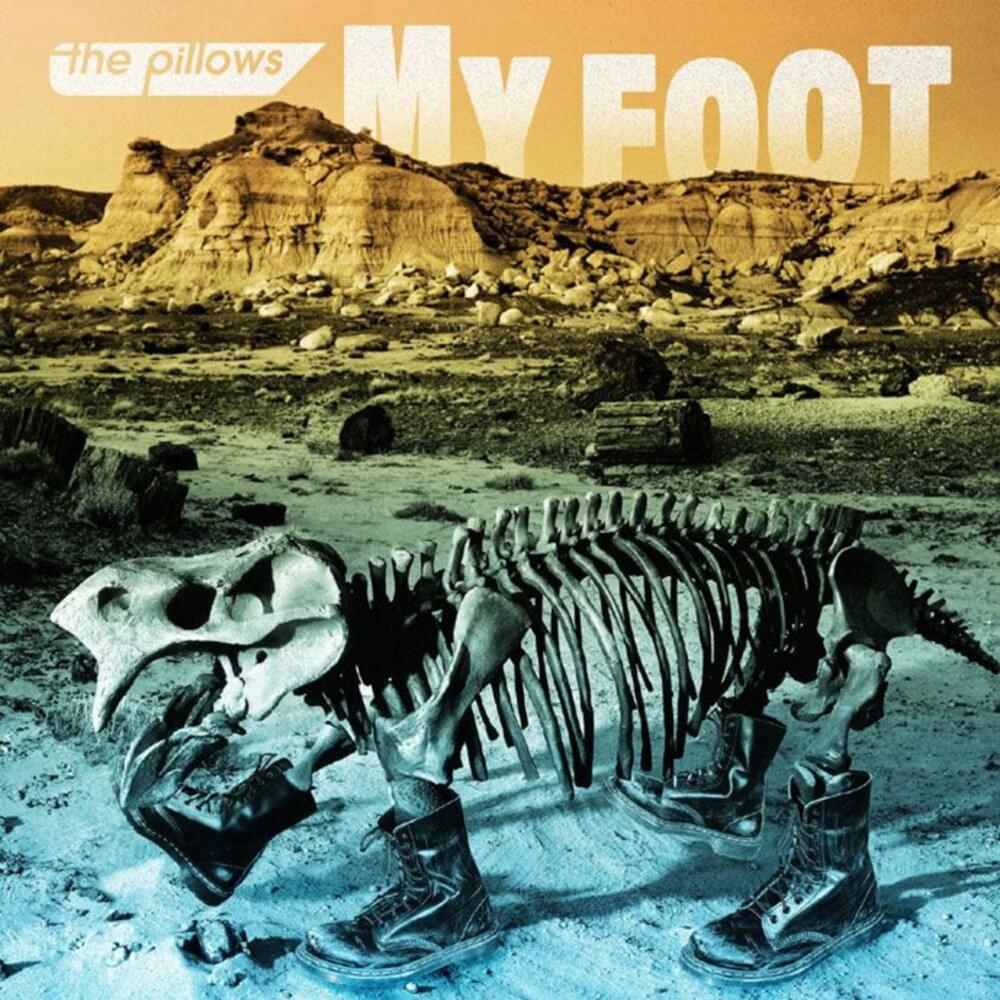
 View Artist