Song Meaning
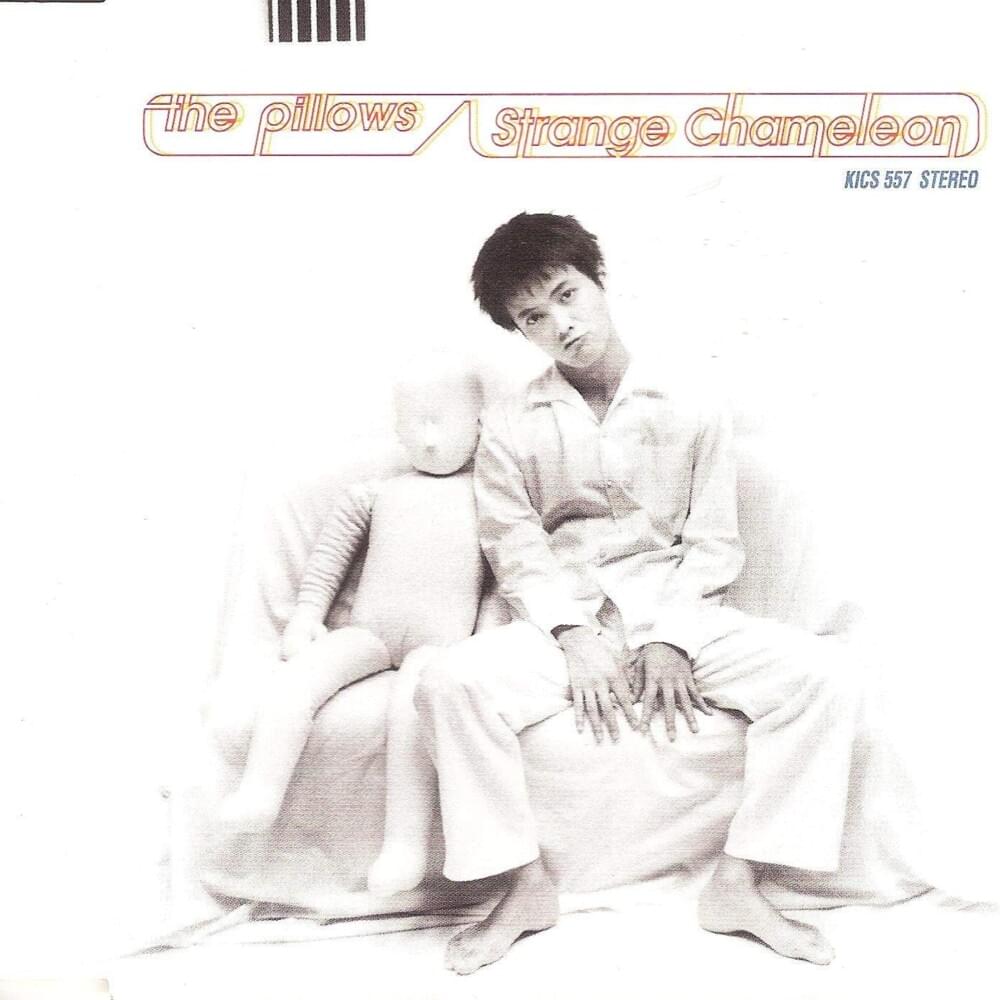
The lyrics open with a plea to be a "gentleman," seeking a place to change or hide. The speaker feels like a "defective chameleon," unable to blend in with the world around them. Despite this self-perception, there's a deep, singular devotion to one person, a core emotional anchor in a seemingly indifferent world.
The central emotional tension lies in the speaker's self-perception as flawed and an outsider versus their intense desire for connection and devotion. The line "汚れた川を汚れた僕と泳ぐ 君はとっても キレイだった" (swimming a dirty river with dirty me, you were so beautiful) highlights this stark internal contrast, where the speaker sees themselves as tarnished but views the other person as pure. They yearn to change "誰かみたいに" (like someone else) but acknowledge their inherent difference, their "出来損ないのカメレオン" (defective chameleon) nature.
A particularly striking craft element is the vivid imagery of the chameleon's struggle. It's not just about blending in, but the inability to shed painful parts: "上手くちぎれてくれない 尻尾はトゲトゲで 引っかき傷は癒えないのさ 治らないんだ" (tail won't tear off cleanly, it's thorny; scratches won't heal, they won't mend). This visceral description portrays a deep, unresolvable internal wound or an unchangeable aspect of their being, suggesting a persistent, almost physical, manifestation of their outsider status.
The lyrics' effectiveness comes from their raw honesty and vulnerability. The speaker doesn't sugarcoat their perceived flaws or the world's indifference, instead finding solace in a singular connection. The line "拍手は一人分でいいのさ それは君の事だよ" (one person's applause is enough, that's you) cuts through any pretense, revealing a profound, almost exclusive, valuing of this one relationship. Even when contemplating a shared, cynical existence where "僕ら笑う 死んでるように" (we laugh as if dead), or the possibility that their connection is a fleeting "幻" (illusion), the speaker clings to a tangible warmth: "手の平が まだ暖かい" (my palm is still warm). This grounding in a simple, physical sensation makes the devotion feel incredibly real and resilient against a backdrop of doubt and impermanence, culminating in the poignant affirmation, "君と出会えて良かったな" (I'm glad I met you).
 View Artist