Song Meaning
The lyrics paint a picture of a yearning for an authentic, "native" world, contrasting it with a superficial present. The opening lines suggest a profound, almost eternal emotion that slowly fills the narrator, hinting at a deeper reality beyond conscious perception. This "native world" is accessible through "childish means," a call to shed pretense and embrace a more innocent, direct approach to existence.
The core tension arises from the disconnect between this idealized "native world" and the current reality, which is characterized by "smudged" illusions and a sense of inadequacy. The narrator observes people striking "jaded poses" and presenting "blank faces," likened to taxidermied specimens, suggesting a profound lack of genuine life or feeling. This artificiality is so pervasive that the narrator urges to "close my eyes," seeking refuge from the emptiness.
A striking image is the "white flower of truth" being observed, only to be battered by a "downpour of temptation." This juxtaposition highlights the fragility of truth and sincerity in the face of overwhelming external pressures. The narrator's observation of someone looking up at the sky, on the verge of tears, seems to be a moment of profound realization or struggle, directly addressed with "Don't run away." The final assertion, "It couldn't have been fake from the start," and the direct address "It's you," strongly imply that the narrator is speaking to themselves or a reflection, urging them to reclaim their inherent authenticity.
This lyrical construction is effective because it grounds abstract feelings in concrete, albeit metaphorical, imagery. The contrast between the "native world" and the "taxidermied" present creates a palpable sense of longing and disillusionment. The direct address and the plea not to run away imbue the lyrics with a personal urgency, making the search for truth feel like an immediate, internal battle rather than a detached observation.
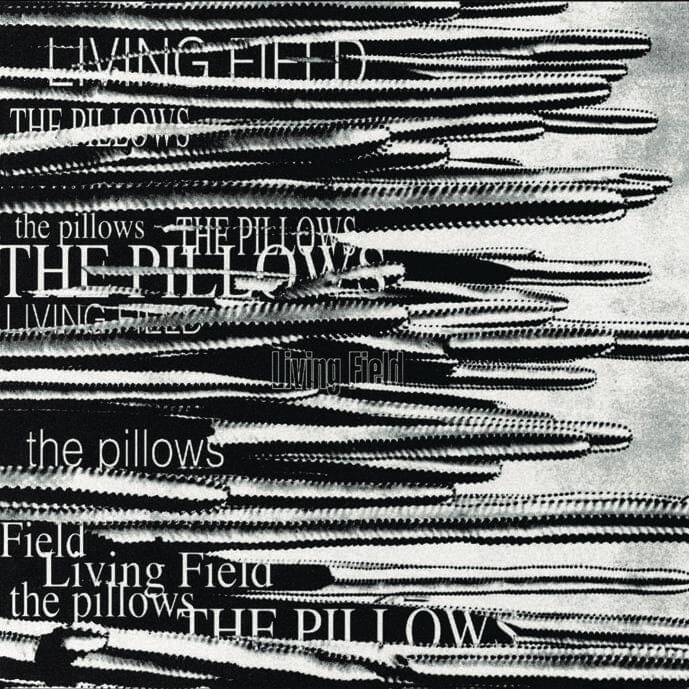
 View Artist