Song Meaning
The lyrics paint a stark picture of societal disconnect, where outward appearances mask inner emptiness. We see "streets full of people, all alone" and "roads full of houses, never home," immediately establishing a theme of isolation amidst apparent connection. Even communal spaces like churches are described as "full of singing, out of tune," suggesting a lack of genuine harmony or purpose. This pervasive sense of alienation culminates in the repeated, almost surreal declaration: "Everyone's gone to the moon."
The central tension lies in the juxtaposition of abundance and deficit. People have "eyes full of sorrow, never wet," implying a deep, unexpressed sadness, and "hands full of money, all in debt," a paradox of material wealth and financial ruin. The natural world offers little solace, with the "sun coming out in the middle of June" feeling like an anomaly rather than a comfort. These contradictions highlight a world where superficialities abound, but true fulfillment is absent.
The most striking craft element is the consistent use of contrasting pairs to expose this hollowness. "Hearts full of motors, painted green" suggests a mechanical, artificial emotional state, devoid of genuine feeling, while "mouths full of chocolate covered cream" points to a superficial indulgence that can't fill a deeper void. The image of "arms that can only lift a spoon" powerfully conveys a profound lack of strength or agency, a physical manifestation of the collective ennui.
This lyrical construction creates an unsettling atmosphere that resonates because it taps into a feeling of widespread, unspoken dissatisfaction. The repeated refrain, "Everyone's gone to the moon," functions as a metaphor for escapism, a collective withdrawal from a reality that feels increasingly hollow and disconnected. The song effectively uses these sharp, often absurd, contrasts to articulate a profound sense of modern alienation.
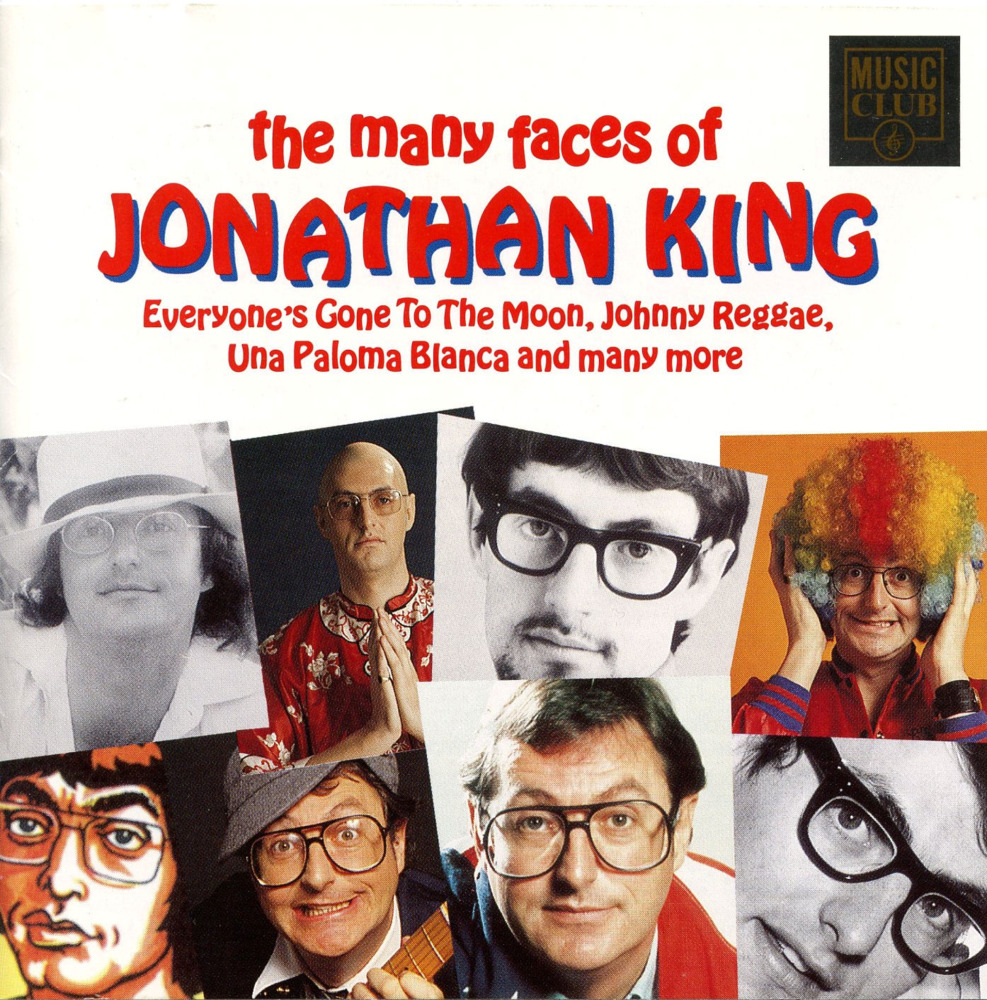
 View Artist