Song Meaning
The narrator is caught in a painful cycle of regret and lingering affection. They dismiss past words, focusing instead on present actions and the damage done, yet still cling to a singular person. This creates an immediate tension: how can someone be so focused on mistakes while simultaneously declaring their chosen person the "only one"?
The core conflict lies in the inability to reconcile the past with the present. The lyrics paint a picture of a relationship where "good make up for the bad" is impossible, leading to the stark conclusion that the original connection is lost. The repeated phrase "Don't care 'bout what I said / Just care 'bout what I've done" highlights a self-awareness of past missteps, but this awareness doesn't seem to offer a path forward, only a confirmation of present difficulty.
What's striking is the subtle shift in the second verse. While the first verse emphasizes the narrator's own actions and limitations ("doing the best I can"), the second verse broadens the blame, suggesting a mutual struggle: "It's like you and I don't even try to get along." This shift from personal accountability to shared dysfunction underscores the feeling of being trapped in a dynamic that neither party can seem to break free from, even as they acknowledge the loss of "what we once had."
Ultimately, the effectiveness comes from this raw, unvarnished portrayal of a love that persists despite its evident decay. The narrator loves "what's left of you" and misses "what now is gone," a bittersweet acknowledgment that captures the ache of holding onto remnants of something beautiful that has irrevocably changed. The final line, "Guess the only thing we've done is moved on," offers a resigned, almost passive acceptance of this painful reality.
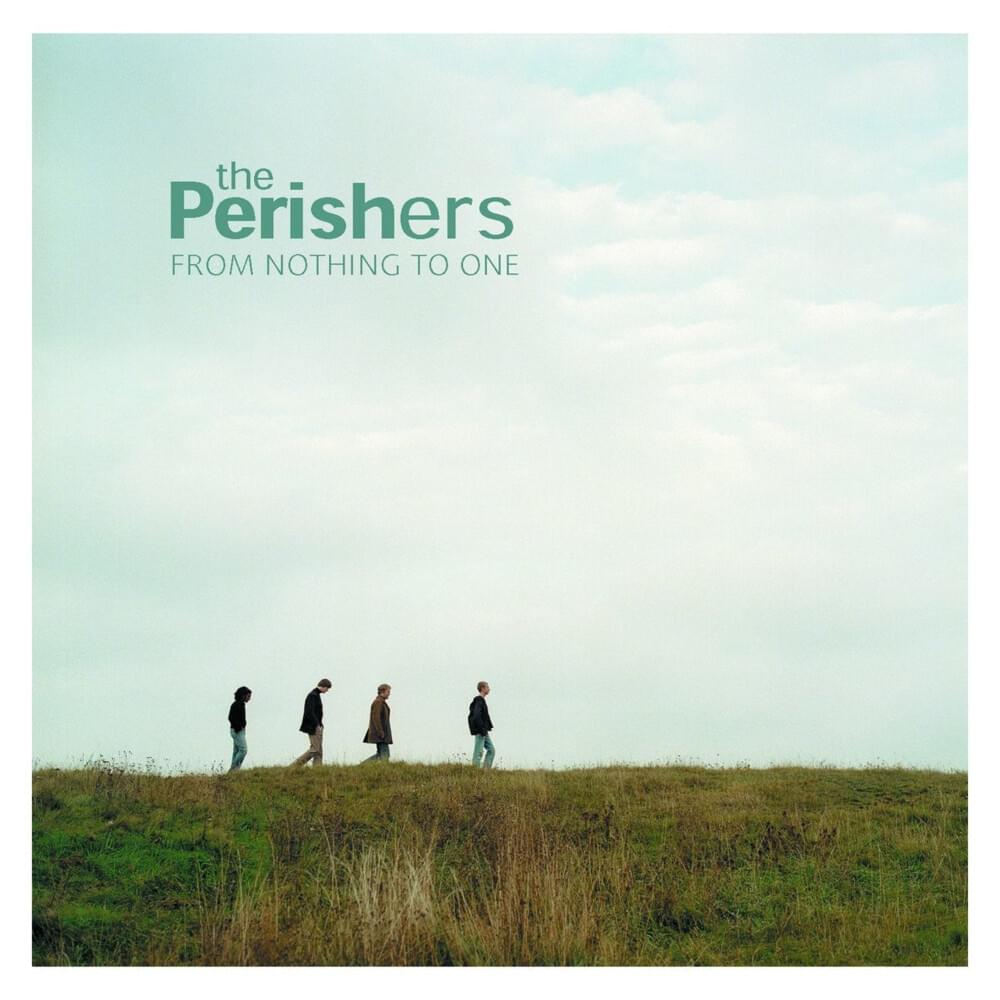
 View Artist