Song Meaning
The narrator grapples with a relationship that feels like a constant test. They question if their partner's actions are meant to provoke sadness or maintain a sense of anticipation, noting a strange dynamic where they're praised but not fully claimed. This sets up a core tension: the desire for independence versus the pull of a complicated connection.
The central conflict emerges from the partner's ambiguous behavior and the narrator's response. The lyrics present a push-and-pull, with the partner offering compliments that feel backhanded – "Not the best you've ever had / But you say I'm pretty close." This uncertainty fuels the narrator's declaration of choosing solitude, a deliberate act to "be my own."
The most striking element is the recurring refrain, "Moonlight or sunshine / Morning or night time / I choose to be alone / To be my own." This repetition emphasizes a steadfast commitment to self-possession, regardless of external circumstances or the partner's attempts to influence them. The shift in the second verse, where the narrator admits the partner *is* the "best I've ever had," only to immediately follow with "But you're not mine, and I'm not yours," highlights the painful realization of the relationship's fundamental disconnect.
Ultimately, the lyrics resonate because they capture the difficult process of asserting autonomy within a relationship that offers both validation and distance. The final lines about the birds moving south and the partner doing wrong but making it seem right suggest a painful but necessary separation, a recognition that the relationship, however compelling, is not sustainable or truly fulfilling.
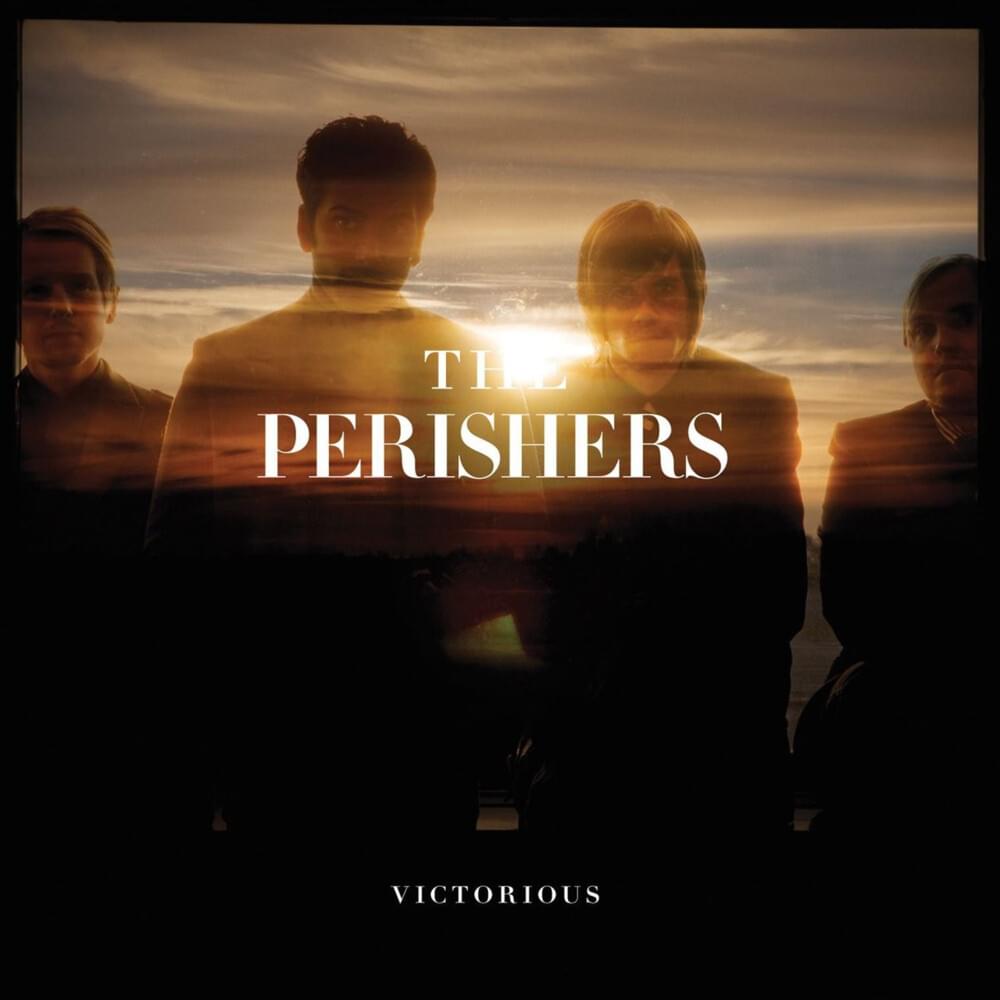
 View Artist