Song Meaning
The lyrics paint a stark picture of betrayal, centering on the repeated phrase "It takes a cold heart made of stone." This isn't just about a single hurtful act; it's about the calculated, almost inhuman capacity to inflict pain and then abandon someone. The repetition hammers home the narrator's realization of the other person's utter lack of empathy. The core of the song lies in this chilling observation of a partner's emotional void.
The central tension arises from the narrator's self-awareness of their own misplaced trust. They admit, "I knew that I was a fool believing in you / When all along I knew you were not true." This creates a painful internal conflict: knowing the truth but choosing to ignore it, only to be met with the very betrayal they suspected. The contrast between the narrator's hopeful belief and the partner's "cold heart" is the emotional engine.
The most striking element is the stark, almost blunt imagery of a "heart made of stone." It's not just that the person is unfeeling; they are fundamentally incapable of genuine connection or remorse, described as being able to "kiss and run / Yes, back to another's arms." This specific detail highlights the transactional and deceitful nature of the partner's actions, emphasizing their immediate return to a pre-existing relationship.
This song hits hard because it articulates a specific kind of emotional devastation: the realization that someone you cared for is fundamentally incapable of reciprocating that care. The bluntness of the "cold heart" metaphor, combined with the narrator's own admission of foolishness, creates a potent mix of anger and sorrow. The final, repeated lines, "To hurt you then leave you alone," serve as a devastating echo of the partner's cruelty, leaving the listener with a profound sense of the damage inflicted.
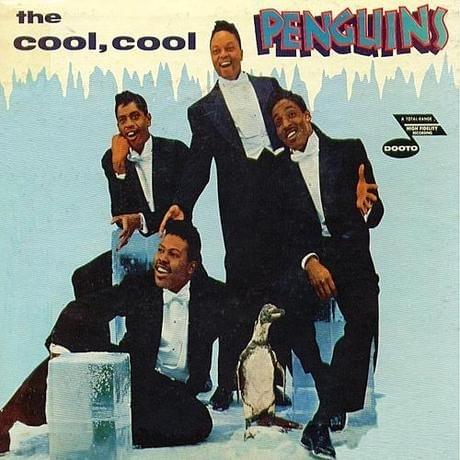
 View Artist