Song Meaning
The narrator wakes up to a pervasive sense of sadness, a literal "mornin' blues" that seems to have settled in with the dawn. This isn't just a fleeting mood; it's a heavy, persistent feeling that arrived when a loved one departed. The lyrics paint a picture of someone struggling to maintain composure, caught in the quiet, lonely hours of the morning. The repetition of "in the mornin', oh the mornin' of the dawn" emphasizes the cyclical nature of this despair, each new day bringing the same ache.
There's a clear tension between the narrator's desire for their absent lover and the harsh reality of their absence. Reaching out, only to be told the person isn't home, amplifies the feeling of abandonment and distance. The phrase "Look what you've done" carries a weight of accusation, yet it's immediately followed by a resigned "I'll just keep on a waiting." This suggests a complex mix of hurt and unwavering devotion, a painful dependency.
The most striking element is how the natural imagery of the sunrise, typically associated with hope, instead serves to underscore the narrator's isolation. "While I watch, watch the morning sunrise / It tells me I'm alone." This inversion of expectation is powerful, turning a symbol of new beginnings into a stark confirmation of loneliness. The desperate plea, "You're all I want / Want me more than a bone," highlights a raw, almost animalistic need that feels both vulnerable and a little unsettling.
Ultimately, the effectiveness of these lyrics lies in their stark, unadorned portrayal of heartbreak. The simple, repetitive structure mirrors the obsessive loop of grief, while the specific, grounded images – the dawn, the unanswered call, the sunrise – make the narrator's profound sadness feel immediate and palpable. It’s the quiet desperation of facing another day alone, with the blues as a constant companion.
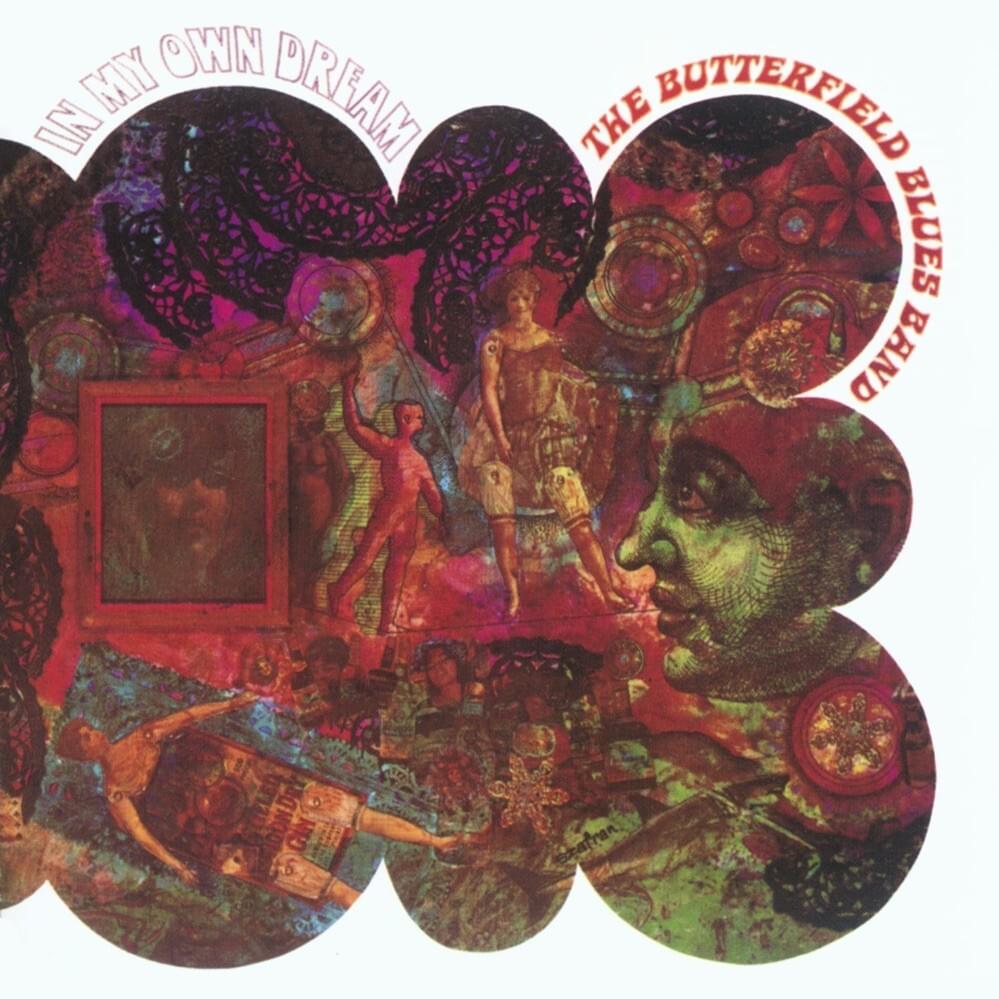
 View Artist