Song Meaning
The lyrics open with a stark, almost absurd contrast: the narrator contemplates suicide, not out of deep despair, but as an alternative to mundane tasks, suggesting a profound weariness. The repeated phrase "I've got a mind to give up living" is immediately undercut by the desire to "go shopping instead." This juxtaposition highlights a feeling of being overwhelmed to the point of irrationality, where even the ultimate act is framed as a peculiar form of escapism. The idea of picking a tombstone and being pronounced dead feels less like a morbid fantasy and more like a desire for an immediate, definitive end to an unbearable present.
The emotional core solidifies with the arrival of a letter, found in an empty bed, which serves as the catalyst for the narrator's suicidal ideation. The placement of the letter "on your place in bed" is a potent image of absence and betrayal, amplifying the pain of its contents. The letter explicitly states, "There is no use looking or ever hoping to get me back," delivering a final, unappealable rejection. This definitive closure from the other person directly leads the narrator to the conclusion that they'd "be better off dead."
The most striking aspect of the craft here is the relentless repetition, particularly of the opening lines and the description of reading the letter. This structure mirrors the narrator's obsessive, circular thinking, trapped in a loop of pain and finality. The simple, declarative sentences in the letter, especially "it's all over now / And, baby, you can bet on that," are delivered with a chilling finality that leaves no room for hope. The narrator's own repeated pronouncements of wanting to die become a desperate echo of this external, absolute ending.
This song hits hard because it captures a specific kind of emotional paralysis. It's not a grand, operatic tragedy, but a raw, almost mundane descent into despair triggered by a concrete event – a breakup letter. The bluntness of the language, combined with the almost surreal opening, makes the narrator's pain feel intensely real and immediate, reflecting how devastating rejection can feel like the end of the world.
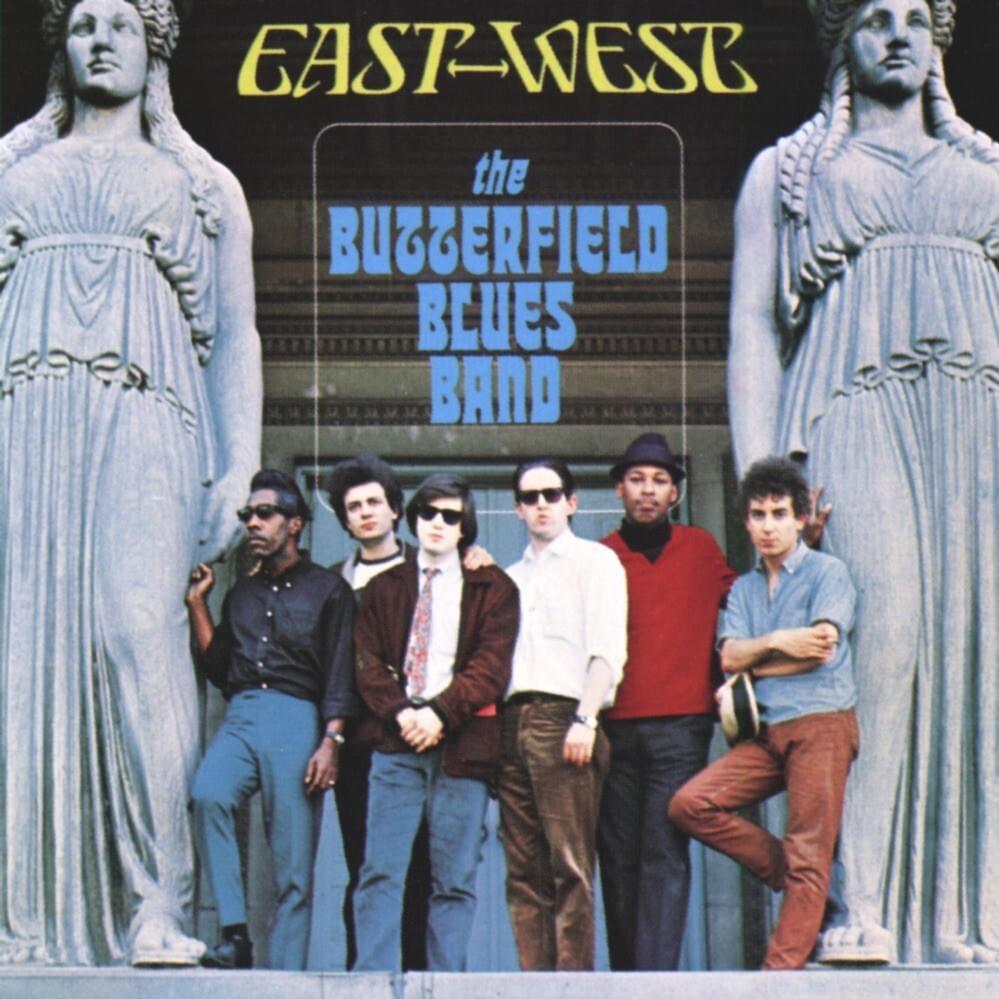
 View Artist