Song Meaning
The lyrics paint a picture of a deeply unbalanced relationship where one person feels completely devoted while the other offers only superficial gestures. The narrator states, "You give me everything," but immediately qualifies it with the devastating, "But your love you don't give to me." This sets up a core tension: the presence of material or external support contrasted with a profound lack of emotional reciprocation. The repeated phone calls that end with the other person being unavailable, leaving the narrator "alone," highlight this pattern of near-connection followed by abandonment.
The central conflict arises from this disparity in investment. The narrator declares, "You mean everything to me," but acknowledges the painful reality, "But I don't mean everything to you." There's a desperate hope for future validation, a plea that "You're gonna love me, baby... someday," but it's tinged with anxiety that it might be "too late." This yearning for the other person's love, despite the current emotional neglect, drives the narrator's persistent, almost self-punishing, devotion.
The lyrics skillfully use repetition to emphasize the narrator's unwavering commitment, even in the face of hurt. Phrases like "I'll never leave you" are repeated with increasing intensity, particularly after the narrator admits, "You make me hurt inside." This isn't just a statement of loyalty; it feels like a desperate attempt to convince both the other person and themselves that the relationship is worth holding onto, despite the emotional cost. The narrator's assertion, "If I'm given the chance... Would I leave your side? Never leave your side," underscores a profound, perhaps self-destructive, commitment.
What makes these lyrics resonate is the raw portrayal of unrequited devotion and the internal struggle it creates. The narrator is caught between the pain of not being loved fully and the powerful, almost instinctual, need to remain connected. The contrast between the external "everything" and the internal "love you don't give to me" creates a palpable sense of emotional emptiness, making the narrator's persistent hope and refusal to leave feel both heartbreaking and intensely human.
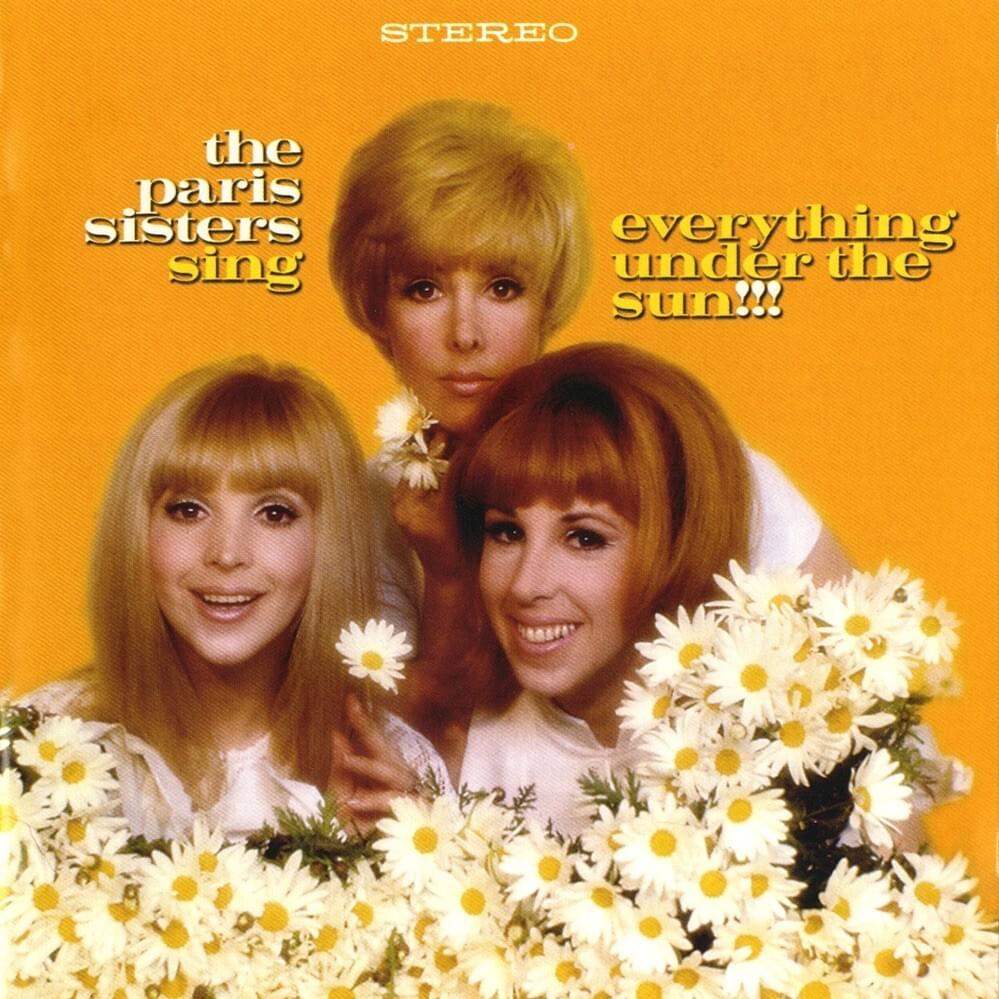
 View Artist