Song Meaning
The lyrics paint a picture of a life lived in constant motion, detached from the usual markers of time and place. The narrator describes a passage of time that feels fluid and indistinct – "A month of nights, a year of days," where seasons blur into one another. This sense of temporal drift underscores a deliberate choice to embrace uncertainty, symbolized by setting sail as the tide rises and ultimately "cast[ing] my fate to the wind."
The central tension lies in the narrator's active rejection of being anchored by the past. They explicitly state, "Won't sail upwind on memories," indicating a conscious effort to avoid dwelling on what has been. Instead, the focus is on the present moment and the open possibilities ahead, with the "empty sky" serving as a companion rather than a void. This embrace of the unknown is presented not as a passive surrender, but as an intentional act of freedom.
The recurring phrase, "I just cast my fate to the wind," acts as both a refrain and a thesis statement. It’s a powerful image of relinquishing control, yet it’s framed by active verbs like "set my sail" and "shift my course." This suggests that while the ultimate direction is left to chance, the journey itself is navigated with intention. The repetition of the opening lines in the third verse reinforces this cyclical feeling, emphasizing the continuous nature of this chosen path.
Ultimately, the effectiveness of these lyrics stems from their evocative imagery and the quiet resolve of the narrator. The contrast between the vastness of time and the singular act of casting fate adrift creates a compelling emotional landscape. It speaks to a desire for liberation, finding peace not in stability, but in the exhilarating freedom of the open sea and an unpredictable breeze.
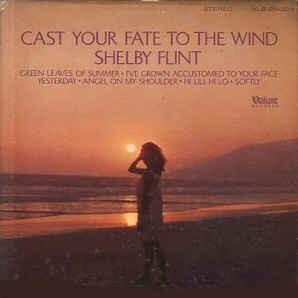
 View Artist