Song Meaning
The lyrics present a stark contrast between established authority and the lived experience of those outside its direct influence. Questions about who needs advice from cardinals or votes for governors-generals immediately frame a world governed by distant, formal structures. The repeated phrase "Who's been touched by Her Majesty?" suggests a pervasive, perhaps even overwhelming, presence of this authority, one that shapes history and creates confusion through its rigid systems of "lists and categories" and "marriage by authority."
The central tension arises from the juxtaposition of this formal power with the perspective of "young eyes / Across the sea." These eyes witness "defiant tales in stone" and find solace in "sanctuary," suggesting a resilience and a different kind of truth found away from the center of power. This sanctuary is described with evocative, almost paradoxical imagery: "brightest chains of gold" and "furthest place from home," implying that freedom and identity are forged in experiences that are both binding and isolating, yet ultimately empowering.
The writing cleverly uses repetition to underscore the weight of these contrasting realities. The recurring lines about "defiant tales in stone" and "brightest chains of gold" become an anthem for an alternative narrative, one that exists alongside or in defiance of the "contradicted history" and the superficiality of the "A-list" commentators. The shift from grand pronouncements about "victory in the high seas" and "doing business with crazies" to the stark image of "a slaughter" and "statues of great explorers" reveals a critical look at the often-unacknowledged violence underlying historical narratives and symbols of power.
Ultimately, the lyrics resonate because they capture a feeling of being both subject to and observant of immense, often impersonal, power structures. The effectiveness lies in how the writing uses abstract concepts like "formality" and "authority" and grounds them in concrete, albeit sometimes contradictory, images. The repeated refrains create a sense of enduring spirit, a quiet insistence on a different kind of truth found in personal experience and memory, even when that experience is one of isolation or hardship.
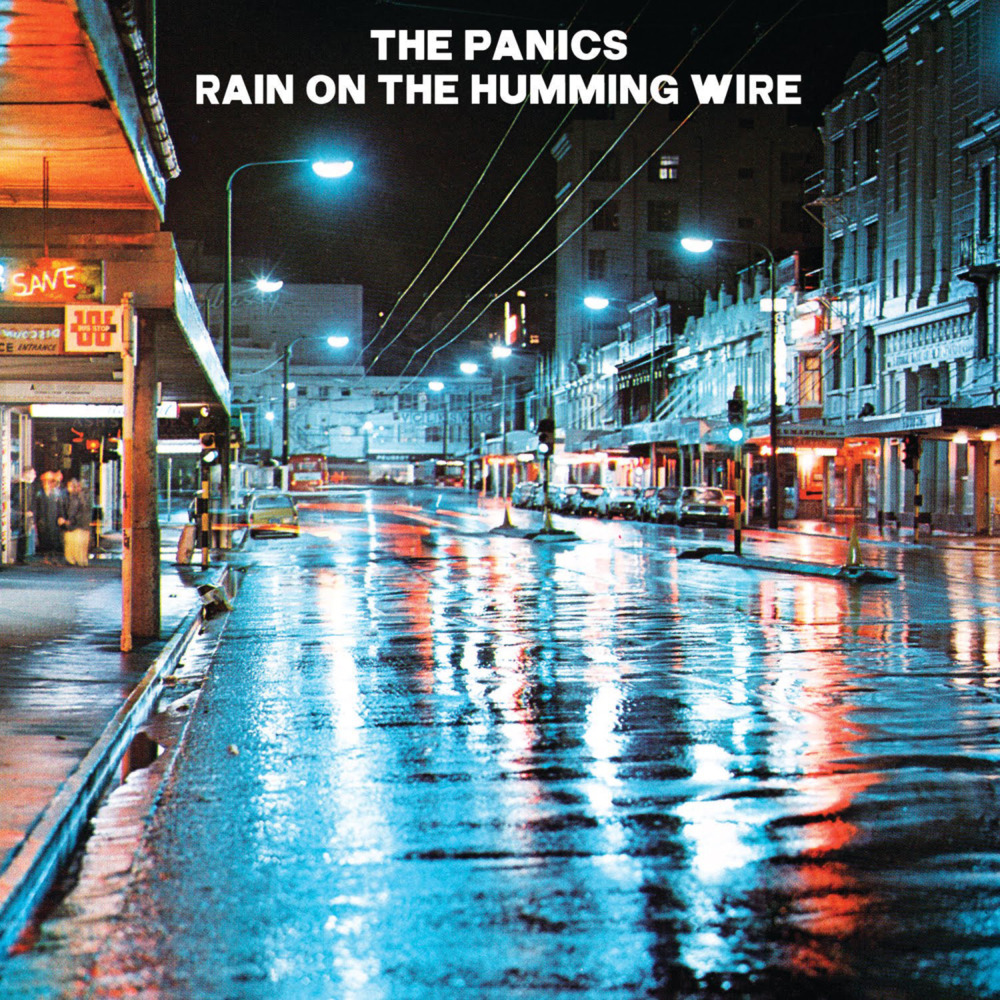
 View Artist