Song Meaning
The lyrics paint a picture of impending finality, centered around a familiar field and town. The narrator questions if this is the last time they'll see the field, imbuing the scene with a sense of profound, almost cosmic significance. This opening immediately establishes a tone of poignant farewell, tinged with a desperate need for unspoken communication, as if the field itself holds a message.
The core tension arises from the narrator's perceived ability to "read your mind" and the inevitability of a shared fate. This prescience clashes with the uncertainty of the situation, suggesting a deep, perhaps one-sided, understanding of another's thoughts. The repetition of "the last time" across different contexts – the field, the man selling shoes – amplifies the feeling that a significant transition is at hand, one that affects everyone involved.
What's striking is the cyclical, almost resigned perspective on struggle. The image of a man selling his shoes, a desperate act, is immediately followed by the assertion that "lose or win doesn't end the game." This suggests that external victories or defeats are ultimately beside the point. The narrator's conclusion, "I think we'll end up the same," coupled with the admission that "Same's a word I'm not used to," highlights a profound discomfort with conformity or a lack of individual agency in the face of this shared, undefined outcome.
This lyrical construction is effective because it grounds existential dread in concrete, albeit slightly surreal, imagery. The contrast between the intimate "field I know" and the vast "last time in a million years" creates a powerful emotional resonance. The narrator’s struggle with the concept of "same" suggests a yearning for distinction or perhaps a fear of losing oneself in a collective destiny, making the impending end feel both personal and universally daunting.
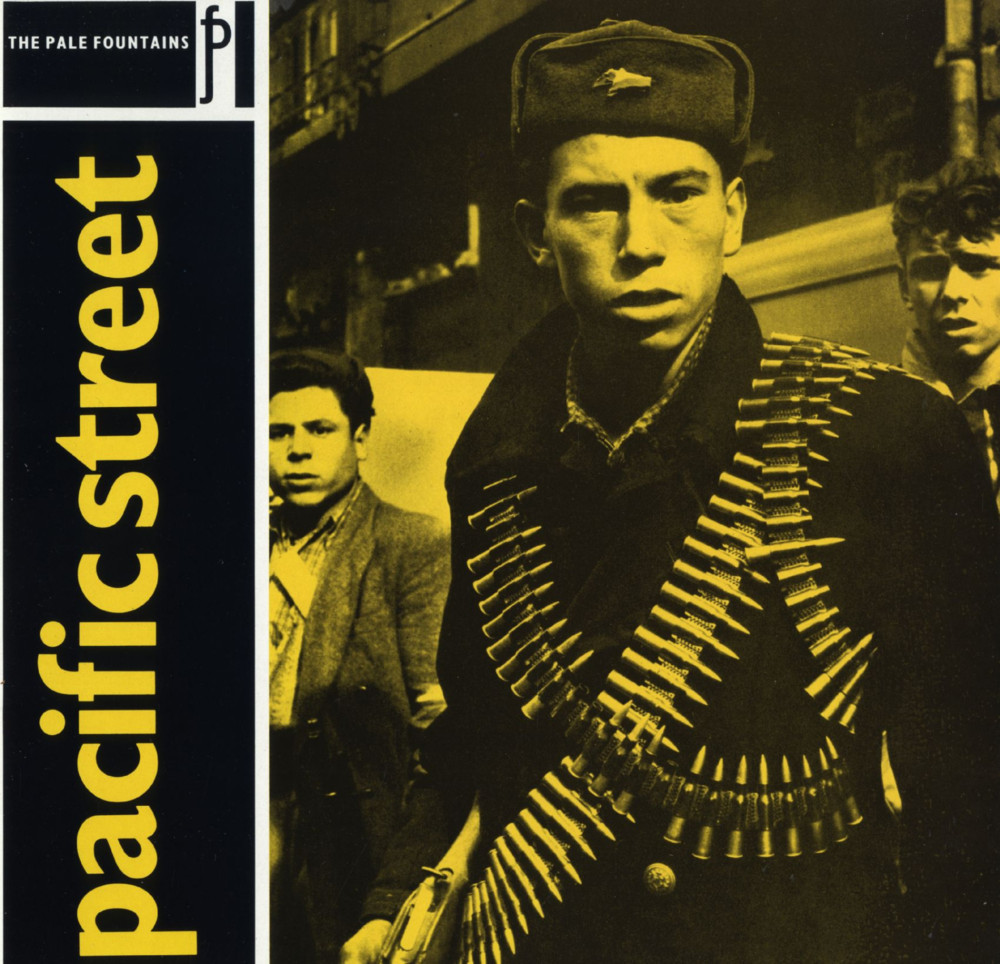
 View Artist