Song Meaning
The lyrics open with a stark, almost abstract declaration of love, immediately distancing itself from conventional comparisons. The narrator states, "I do not love you as if you were salt-rose, or topaz," rejecting tangible, precious objects as metaphors. This isn't a love based on superficial qualities or even known origins; it's a love that exists "without knowing how, or when, or from where," a direct and uncomplicated affection that bypasses the usual complexities of human connection.
The introduction of "Misanthrope" signals a shift, preceding a poignant narrative sung in Czech. This section tells the story of a mother who dies and is buried, leaving behind orphaned children who visit her grave each morning, searching for her. The emotional core here is the profound grief and longing of these children for their lost parent.
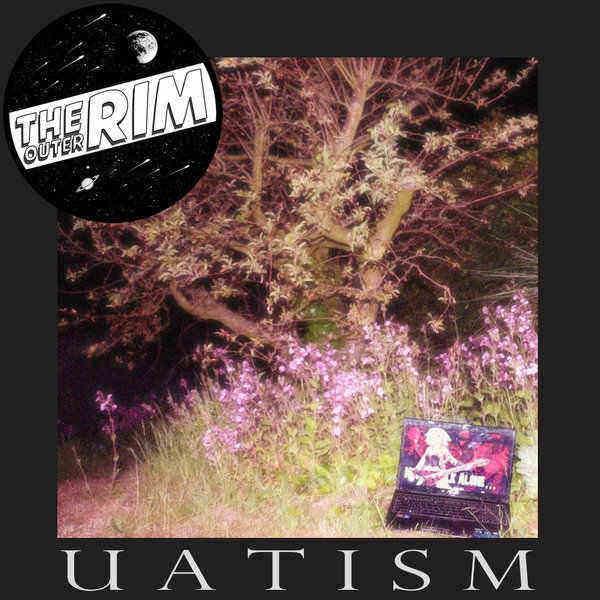
The lyrics then introduce a supernatural element: the mother's spirit feels pity for her beloved children. Her soul returns, not to comfort them directly, but to embody itself within a "drobnolistí kvítek" – a small-leafed flower. This flower then covers her grave, a tender, albeit spectral, act of maternal care and remembrance.
This transformation from a human mother to a flower covering her own grave is the central, striking image. It suggests a love that transcends death, manifesting in a quiet, enduring, and natural form. The initial abstract declaration of love finds a somber, earthly echo in this requiem of flowers, a love that is both straightforward and deeply rooted in the earth, a silent, floral embrace for the orphaned.
 View Artist