Song Meaning
The lyrics paint a vivid picture of someone fleeing from an unseen threat, a frantic escape driven by primal fear. The narrator urges this person on, comparing their flight to that of a prairie dog or a deer, animals known for their immediate, instinctual reactions to danger. There's a palpable sense of being watched, with "something in the bushes" mirroring the internal "feelings" that are being "stared at," suggesting a deep-seated anxiety that fuels the desperate run. The core tension lies between this urgent flight and the narrator's unwavering presence, a constant, almost haunting reassurance.
The recurring phrase "One way rider, one way down the road" establishes a sense of irreversible momentum and a singular, unavoidable path. This isn't a journey with options; it's a determined, perhaps fated, progression. The narrator's declaration, "Oh, baby, I'm right beside you, everywhere you go," acts as a counterpoint to the isolation of the "one way rider." It suggests a shared destiny or a protective, albeit perhaps passive, companionship on this solitary journey. The lyrics hint that external forces, "circumstances," are powerful, dictating actions and leading individuals from following leaders to "follow fools" and "footsteps sneaking up on you."
The most striking aspect is the juxtaposition of external pursuit and internal turmoil. The imagery of "sneaking up on you" and "something in the bushes" externalizes the internal state of "feeling like you do." The advice to "save your secrets" and "trust not unto fools" adds a layer of caution, suggesting that vulnerability is dangerous in this precarious situation. The fleeting nature of trouble, like "long lost passes, flying broken lines," emphasizes the transient yet impactful nature of these overwhelming circumstances, arriving and disappearing "this time."
Ultimately, the effectiveness of these lyrics stems from their ability to capture a feeling of being pursued, both externally and internally, while simultaneously offering a steadfast, if enigmatic, presence. The "one way rider" is trapped on a path, but the narrator's constant proximity creates a complex emotional landscape of shared fate and inescapable movement. The writing skillfully blends visceral imagery of flight with a more abstract sense of unavoidable circumstances, making the listener feel the urgency and the underlying anxiety of the journey.
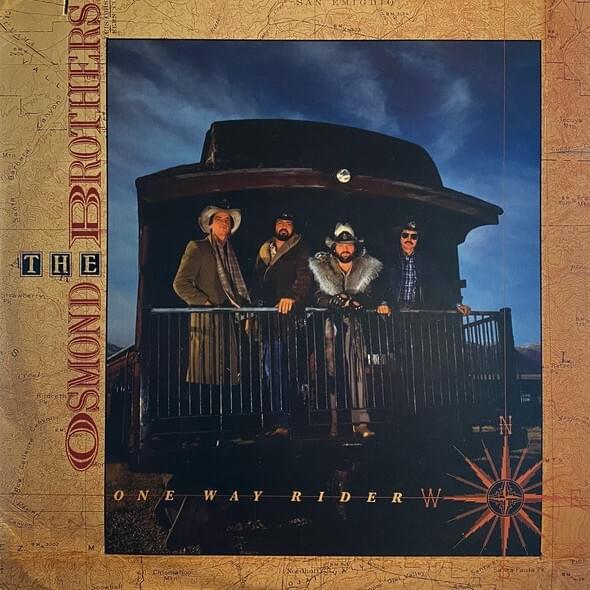
 View Artist