Song Meaning
The narrator is on a journey, calling home from a railroad station in St. Paul. There's a surface-level warmth, a greeting to "darling" and asking about "folks," but the core sentiment quickly shifts. The immediate, repeated declaration of wanting to see "you most of all" cuts through the pleasantries, establishing a powerful longing.
The central tension lies in the narrator's restless nature versus a newfound desire for connection. They've been "staring at the rain and thinking" since leaving Montreal, a moment of introspection that seems to have recalibrated their priorities. The life they "thought I'd always love" now pales in comparison to the prospect of being with this person, a significant internal shift.
The lyrics cleverly contrast the allure of the open road with the pull of home. "Foolish dreams and trains got in my way" speaks to a history of wanderlust, a pattern of being sidetracked by the very means of travel. The impending "snowing in Minnesota" serves as a temporal marker, but the narrator won't be there, actively choosing to break this cycle and head towards that "old familiar station."
This song hits hard because it captures that specific, almost painful realization that what you thought you wanted isn't what you need. The narrator's past is defined by movement and transient desires, but the present moment, marked by a simple phone call and a train ride, brings a profound clarity. The repeated plea, "Hoping you still love me most of all," isn't just about romantic affection; it's a desperate hope that this fundamental shift in their own heart has a reciprocal echo, that their chosen destination is still a welcoming one.
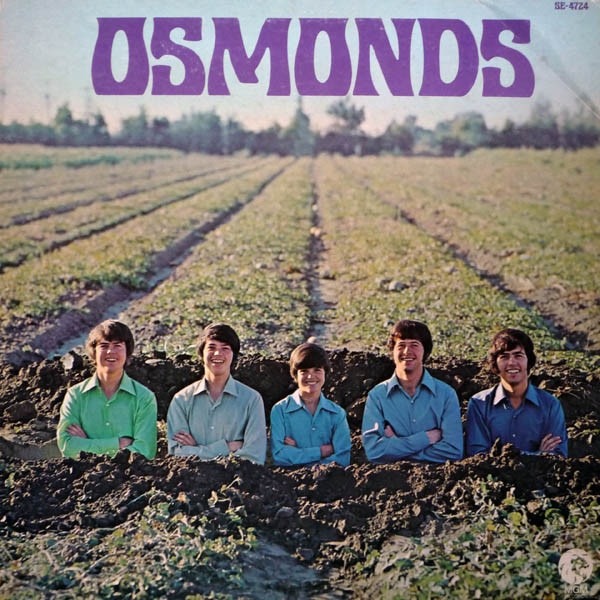
 View Artist