Song Meaning
The lyrics paint a stark picture of isolation, focusing on the contrast between a supposed night of revelry and the narrator's profound loneliness. It's a setup for disappointment, where the anticipation of connection only amplifies the emptiness. The absence of any specific details about *why* Saturday night is the loneliest night suggests this feeling is a pervasive, almost existential state rather than a reaction to a single event.
The central tension lies in the disconnect between the external world's expectation of fun and the narrator's internal reality of solitude. The phrase "loneliest night in the week" is a powerful declaration, elevating Saturday from just another day to the apex of this emotional void. This implies that even when opportunities for social interaction are theoretically at their peak, the narrator feels most acutely the lack of it.
The most striking aspect is the sheer directness and simplicity of the statement. There's no elaborate metaphor or complex narrative; just a blunt assertion of feeling. This unadorned delivery makes the loneliness feel raw and undeniable, cutting through any potential pretense. The repetition of "loneliest night" hammers home the central theme, leaving no room for ambiguity about the narrator's emotional state.
Ultimately, the effectiveness of these lyrics stems from their unflinching honesty and the stark, almost paradoxical image they create. By naming Saturday night as the loneliest, the lyrics tap into a specific kind of melancholic dread that can accompany periods of expected joy. It’s a gut punch of relatable solitude, delivered with minimal fuss but maximum emotional weight.
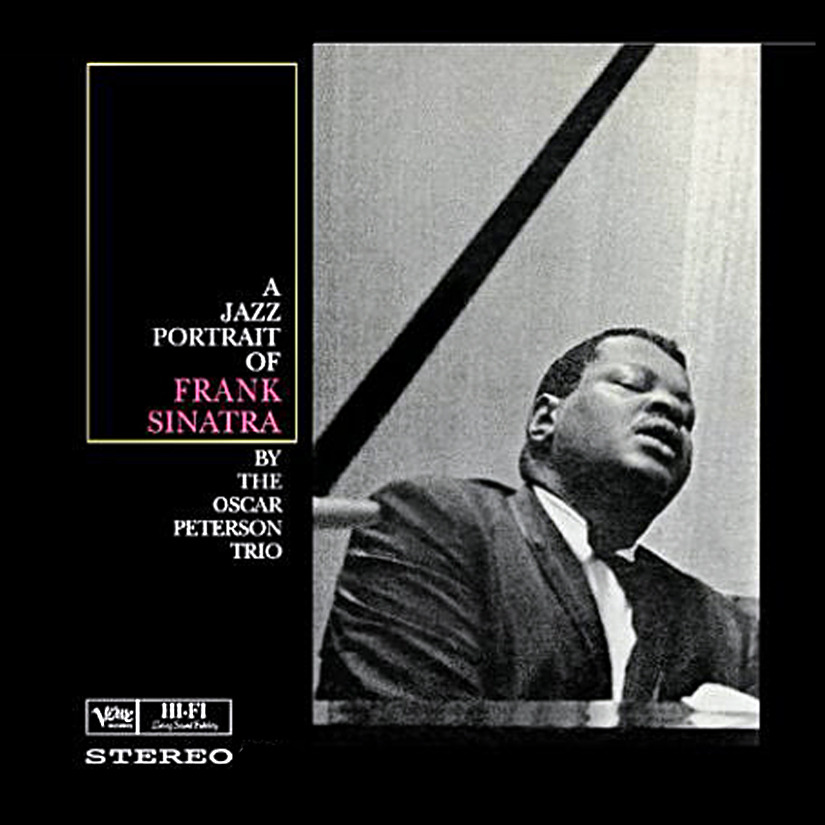
 View Artist