Song Meaning
The narrator is on a quest, actively searching for a specific, almost mythical location: "lonely street." This isn't just a physical place; it's a destination for profound sorrow, a sanctuary for grief where they can finally unburden themselves. The repeated question, "Where's this place called lonely street?" underscores a desperate yearning for a space that mirrors their internal desolation.
The core tension lies in the narrator's desire for a place that embodies pure, unadulterated loneliness. It's a paradoxical search for comfort in isolation, a hope that shared despair might offer some form of solace. The lyrics suggest that this "lonely street" is a repository for "broken dreams and memories," a place where the weight of past disappointments can be confronted and perhaps, through the "dim lights," forgotten.
The imagery of "dim lights bring forgetfulness" is particularly striking. It paints a picture of a hazy, melancholic atmosphere where the harsh edges of reality might soften. The idea of "someone such as I" on this street suggests a hope for kinship, not in happiness, but in shared suffering. The narrator is looking for a mirror to their own pain, a place where their "old love die" can be witnessed by others who understand that specific kind of ending.
This lyrical construction is effective because it taps into a universal human need to feel understood, even in our darkest moments. The narrator isn't just sad; they're actively seeking a landscape that validates their sadness. The repetition of the street's name and the question of its location amplifies the feeling of a desperate, ongoing search for emotional catharsis.
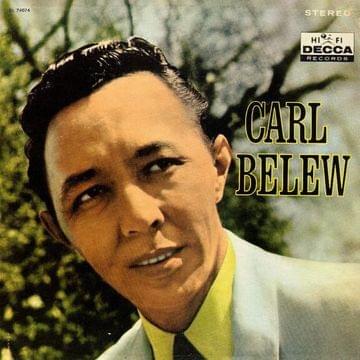
 View Artist