Song Meaning
The lyrics paint a stark picture of an encroaching, predatory force, referred to as "the beast." This entity is characterized by its dangerous gaze and a long-standing pursuit, creating an immediate sense of dread. The narrator's insistence that they are "not laughing" and the assertion that "it couldn't happen to me" highlight a chilling detachment from the perceived threat, setting up a central tension between the narrator's self-preservation and the danger faced by others.
The core conflict emerges from the narrator's urgent warnings about this "beast," which seems to represent a corrupting influence or a destructive force spreading like an "epidemic." The lyrics suggest this "beast" preys on vulnerability, tempting individuals with promises that leave them with "nothing to lose," a state that paradoxically makes them susceptible. The repeated phrase "you need it" underscores the addictive or compulsive nature of succumbing to this influence, while the narrator maintains a position of observation, perhaps even superiority.
A striking element is the narrator's shift in perspective and their use of a well-worn idiom. Initially, the focus is on the immediate danger and the "eyes of your friends" showing the spread. However, the narrator then pivots to a more paternalistic stance, stating, "I've tried to show you your whole life in print," before invoking the proverb, "You can lead a horse to water but you can't make him drink." This suggests a frustration with others' inability or unwillingness to heed warnings, implying the narrator has attempted to communicate the danger through established means, but ultimately, the choice to "think about it" rests with the individual.
What makes these lyrics resonate is the unsettling portrayal of a pervasive threat that is both external and internal, coupled with the narrator's ambiguous role. The "beast" could be addiction, societal decay, or a manipulative force, and the narrator's detached "I know that it couldn't happen to me" creates a disquieting distance. The finality of "There's no cure" leaves the listener with a sense of grim inevitability, emphasizing the difficulty of escaping or even recognizing such a pervasive danger.
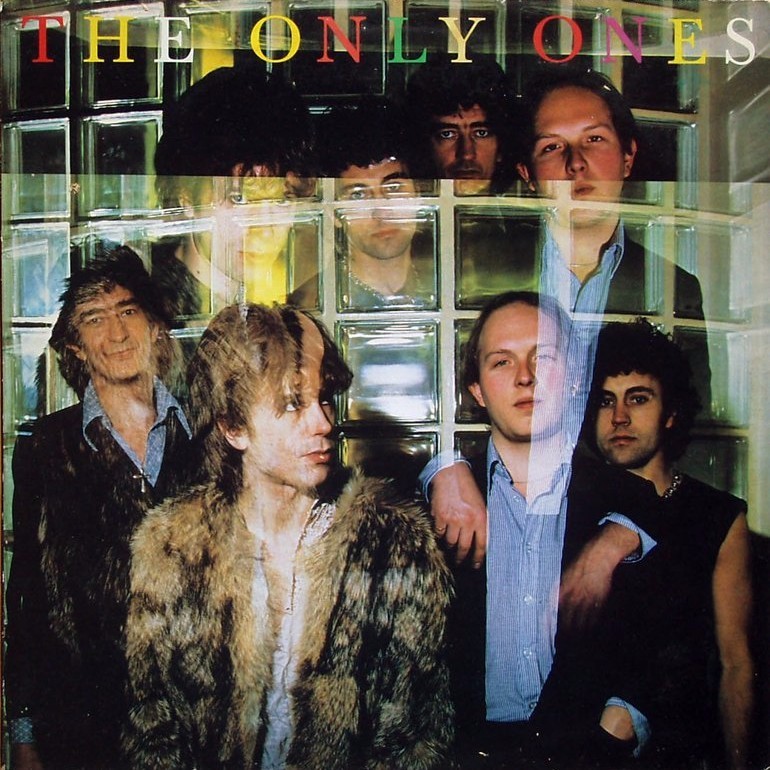
 View Artist