Song Meaning
The lyrics paint a stark picture of two individuals trapped in a grim situation, one seemingly resigned to a destructive path and the other desperate for escape. The narrator observes a woman with "death in her eyes," who is "walking her chosen way" despite her young age and the futility of her "dreams that don't come true." This woman represents a cautionary tale, her life "dissolved" and serving as "living proof" that superficial allure leads to ruin. The narrator, however, finds a flicker of hope for personal liberation, yearning to get "back home" from their current "underground."
The central tension arises from the narrator's complex feelings towards the woman and their shared predicament. Initially detached, observing her fate with a sense of inevitability, the narrator then feels "responsible" for her state, acknowledging, "I got us into this." This shifts the focus from personal escape to a shared burden, a commitment to extricate both of them from their circumstances, declaring, "I've gotta get us out." The phrase "From here to eternity" takes on a heavy, almost fated quality, suggesting an unbreakable bond forged in hardship.
The most striking craft element is the juxtaposition of the woman's tragic trajectory with the narrator's desperate hope for escape, and the subsequent merging of their fates. The initial observation of her "chosen way" contrasts sharply with the narrator's plea to get "back home." Yet, the lyrics pivot from individual salvation to mutual responsibility, using the stark imagery of the woman's downfall to underscore the gravity of their shared situation. The repeated phrase "It's you and me all the way" transforms from a potential declaration of solidarity into an inescapable sentence.
These lyrics resonate because they capture a specific, raw emotional arc: the dawning realization of shared responsibility after witnessing another's ruin, and the grim acceptance of a shared fate. The shift from personal escape to mutual rescue, framed by the ominous promise of "eternity," creates a powerful sense of foreboding and commitment. The writing effectively uses concrete images, like the "death in her eyes" and the "tide come in," to ground the emotional weight of their entanglement, making the final declaration feel both inevitable and heartbreaking.
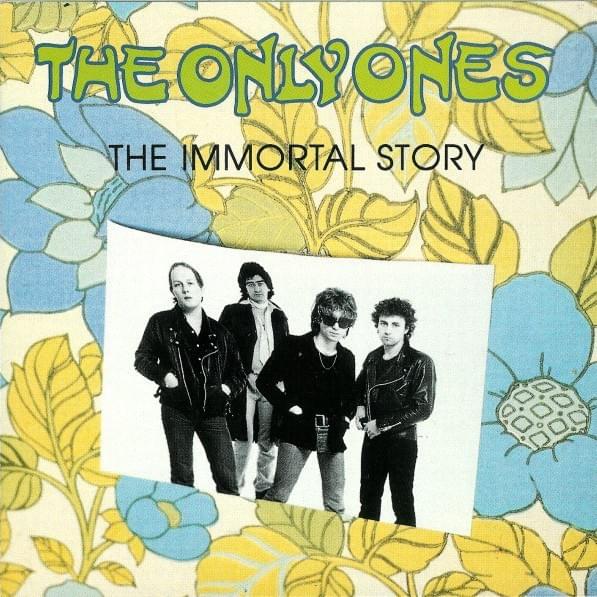
 View Artist