Song Meaning
The lyrics paint a picture of a relentless, perhaps even destructive, forward momentum. There's a sense of being swept along, with the opening lines, "The way we go / The only way we know," suggesting a lack of control or a predetermined path. This feeling is amplified by the recurring phrase "no time for shelter," which appears in both "Storms and rainy thoughts" and "Planet disaster." The narrator seems to be facing overwhelming external or internal turmoil, yet the focus remains on a specific, almost anachronistic memory: "Jacqueline 1906."
The central tension lies between the present chaos and a nostalgic, idealized past. While the world is described as a "Planet disaster" and thoughts are stormy, the narrator urges to "remember the best of times." This isn't just passive recollection; there's a call to action: "Right now is when we break the static / With our themes of liberation." The repetition of "Conquer all that we can" acts as a defiant mantra against the encroaching doom, attempting to reclaim agency.
The most striking element is the juxtaposition of the urgent present with the distant, specific past of "Jacqueline 1906." This year, almost a century and a half ago, serves as an anchor or a point of contrast to the current "disaster." The lyrics don't explain *why* this memory is significant, but its persistent return suggests it represents a lost ideal, a moment of clarity, or a simpler time that fuels the present fight for "liberation."
This lyrical construction is effective because it taps into a universal feeling of being overwhelmed by current events while clinging to cherished memories. The raw, almost percussive repetition of "Conquer all that we can" and the simple numerical count at the end create a sense of urgency and determination. The ambiguity of "Jacqueline 1906" invites the listener to project their own significant past moments onto the narrative, making the struggle against present "static" and "disaster" feel both personal and potent.
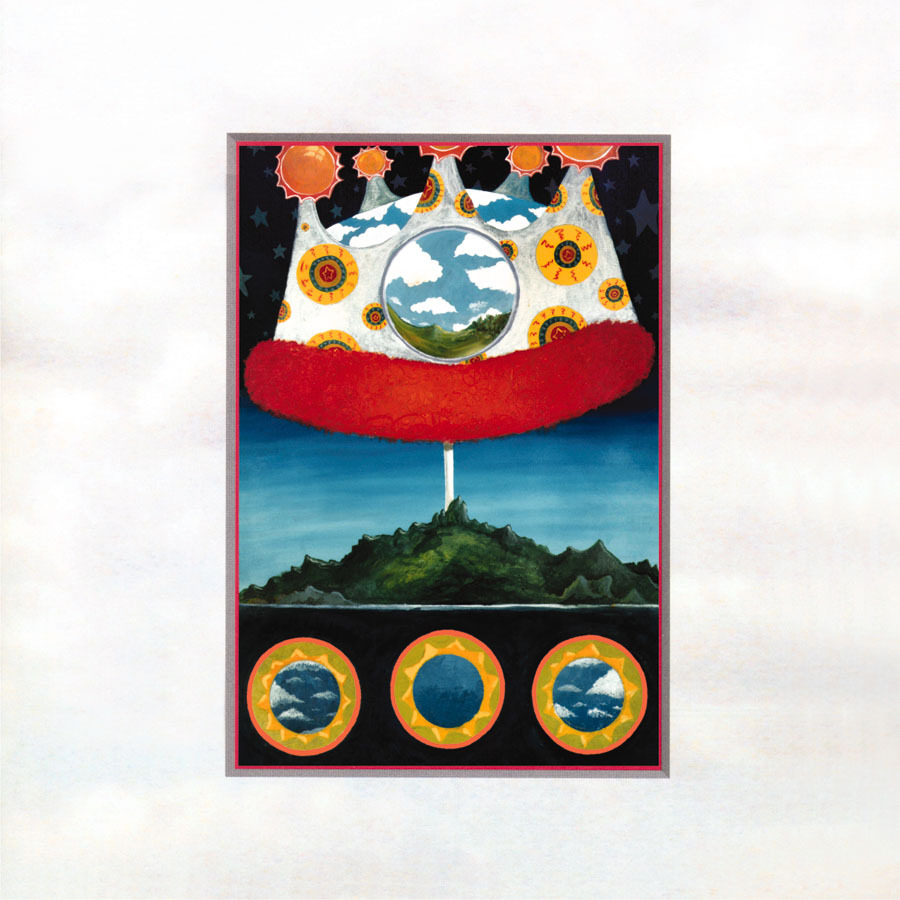
 View Artist