Song Meaning
The lyrics paint a picture of a recurring, almost ritualistic return to a specific place and person. The opening lines, "Here's your ticket, you better believe / Long live the life we led at 210," immediately establish a sense of shared history and a destination, even if the "210" is a cryptic reference. There's an urgency, a "journey so you'd better run / Try to get to your train on time," suggesting a departure or a race against the clock.
The core of the song is the insistent refrain: "I'm always going back / Always going back to where you are / Down in the courtyard / Is where you'll find me." This repetition underscores a deep-seated pull towards a particular individual and location. The courtyard serves as a fixed point, a sanctuary or meeting ground, contrasted with the implied movement and transience of the journey. The narrator's commitment to returning is unwavering, a constant in a potentially chaotic existence.
The lyrics hint at a profound, unspoken understanding between the narrator and the person they are returning to: "And there's nothing that I can tell you / That you don't already know." This suggests a deep connection, perhaps even a telepathic bond, where words are almost superfluous. The desire to "get away from these 4 walls" and "escape from what's holding me" reveals an internal struggle or confinement, from which the courtyard and the person there offer solace or perspective, as indicated by "Here in apple town is where I called you for advice."
Ultimately, the effectiveness of these lyrics lies in their evocative simplicity and the emotional weight of the repeated return. The imagery of the courtyard as a constant, a place of knowing and advice, grounds the listener in a feeling of longing and steadfast devotion. The contrast between the urgent journey and the steady return creates a compelling emotional tension, making the act of going back feel like an essential, life-affirming ritual.
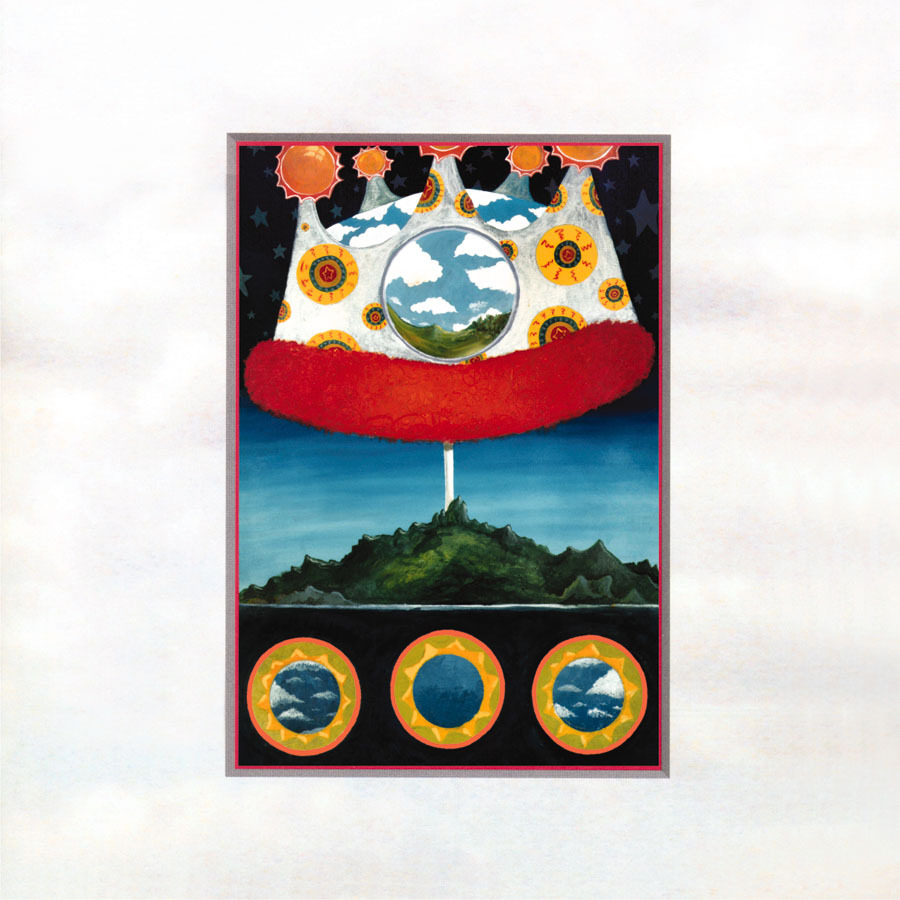
 View Artist