Song Meaning
The lyrics paint a picture of lingering affection after a one-sided romance. The narrator recalls a moment of vulnerability, confessing deep love, only to be met with rejection. This initial pain, however, seems to have transformed into a broader perspective on love's inherent value, even in its sadness. The narrator acknowledges the sting of unrequited feelings but ultimately finds solace in the experience itself, suggesting a profound personal growth.
The central tension arises from the contrast between the narrator's profound feelings and the beloved's inability or unwillingness to reciprocate. The line "But you didn't love me too" is a stark admission of this imbalance. Yet, the narrator doesn't dwell solely on this rejection; instead, they pivot to a philosophical stance, asserting that "In the end it's really all you have to show." This suggests a belief that the act of loving, regardless of the outcome, holds intrinsic worth.
The song's most compelling craft lies in its personification of love as a powerful, almost sentient force. "She'll unfold you / She'll control you" presents love not just as an emotion but as an active agent that shapes and transforms individuals. This imagery elevates the experience beyond personal heartbreak, framing it as a universal lesson. The repetition of "When love calls you" acts as a refrain, emphasizing the inevitability and importance of embracing this powerful force.
Ultimately, the effectiveness of these lyrics stems from their honest portrayal of emotional resilience. The narrator moves from the pain of rejection to a place of wisdom, advocating for openness to love's embrace. The final lines, "And if she would call my name again today / I'd have to say," suggest a readiness to love again, even after past hurt, highlighting the enduring, perhaps even necessary, nature of emotional vulnerability.
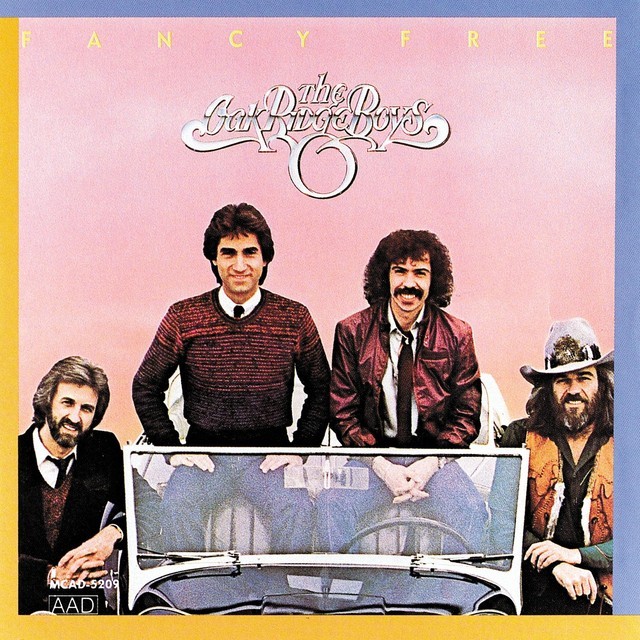
 View Artist