Song Meaning
The lyrics paint a stark picture of a desolate, perpetually shadowed place called "the pines," where a chilling wind seems to mirror an internal coldness. This setting immediately establishes a mood of bleakness and isolation, setting the stage for profound personal sorrow. The narrator's lament, "Little girl, little girl what have I done," suggests a deep regret over actions that have led to a profound loss and displacement, forcing them to "leave my home."
The central emotional tension arises from a devastating separation, explicitly linked to a "little girl" who has caused the narrator immense grief. The repeated phrase "You caused me to" emphasizes a sense of helplessness and the overwhelming impact of this person's actions or departure. This sorrow is so profound it manifests physically, leading to weeping and moaning, and ultimately, the narrator's forced exile from their home.
The imagery of the "longest train" is a masterstroke of craft, conveying the immense scale of the narrator's loss. The train, stretching impossibly long with its engine passing hours before the end, underscores the drawn-out, agonizing nature of this departure. It’s not just a quick goodbye; it’s an endless procession, emphasizing that the object of the narrator's love is irrevocably "gone."
This lyrical construction is effective because it grounds abstract grief in concrete, albeit exaggerated, imagery. The contrast between the static, cold "pines" and the moving, endless "train" highlights the narrator's immobility in sorrow versus the relentless passage of time and the departure of their loved one. The simple, direct language amplifies the raw emotional impact, making the narrator's pain palpable and unforgettable.
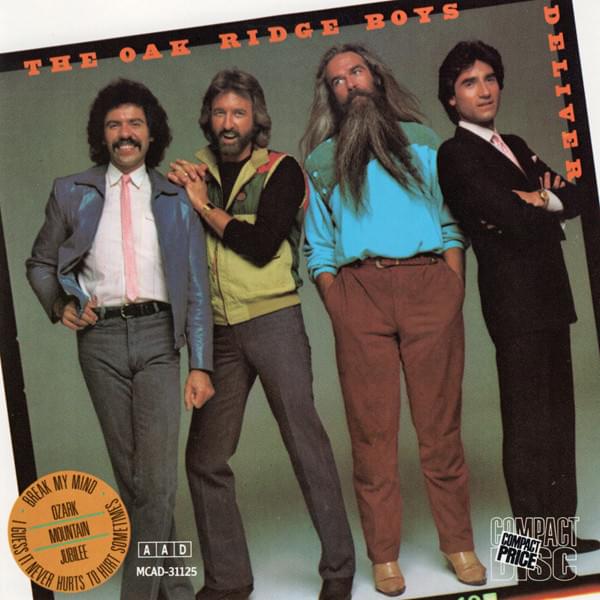
 View Artist