Song Meaning
The lyrics open with a stark confession: the speaker is "guilty with nothing to say," facing imminent punishment. A divine intervention dramatically alters this fate. A voice from "Heaven" offers a substitute, taking the speaker's place. This immediate shift sets a tone of profound, unexpected salvation.
The core tension lies in the speaker's deep conviction of deserved suffering contrasted with the reality of being spared. Phrases like "I should have been crucified" are repeated, underscoring a powerful sense of personal culpability. The speaker grapples with the injustice of their freedom, acknowledging the "disgrace" that was rightfully theirs.
The lyrical craft effectively uses repetition and vivid, painful imagery to convey this profound substitution. The speaker lists specific torments—"crowns of thorns, the spear" in the substitute's side, "rusty nails"—and immediately claims the pain was meant for them. This direct ownership of the deserved suffering, juxtaposed with the stark details of Christ's agony, amplifies the magnitude of the sacrifice.
These lyrics are effective because they don't just state a theological concept; they personalize it through the speaker's intense emotional processing. By repeatedly asserting what they deserved and detailing the gruesome specifics of the substitute's suffering, the writing compels the listener to feel the weight of the speaker's guilt and the overwhelming gratitude for being "let me go free." The direct, almost confessional tone makes the intervention feel incredibly intimate and impactful.
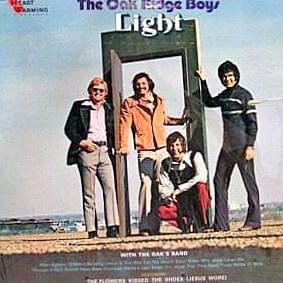
 View Artist