Song Meaning
These lyrics chronicle a profound spiritual awakening. The speaker recounts a past of wandering "paths of sin" and a heart that was spiritually barren. A singular, direct command from a "Savior" marks the turning point. This moment shifts the narrative from despair to resolute hope.
Before this intervention, the speaker describes a state of complete sensory and spiritual deprivation. "Old Satan's lies had dimmed my eyes," suggesting a blindness not just to the path, but to truth itself. Similarly, the unresponsive "stony ground" of the heart paints a picture of deep spiritual unresponsiveness, unable to perceive guidance or grace.
The craft here lies in the stark contrast between this internal barrenness and the simple, direct catalyst for change: "the Savior spoke to me and said child turn around." This isn't a complex theological discourse; it's an intimate, personal call. The subsequent act of finding "the cross where Jesus died" and leaving burdens there offers a concrete, almost physical act of relinquishment, making the abstract concept of redemption feel tangible.
What makes these lyrics resonate is the clear, unambiguous journey from utter lostness to absolute certainty. The speaker's declaration, "No longer in this world I'm home," presents a powerful paradox: a spiritual "home" found even amidst earthly difficulties. This conviction, culminating in the repeated affirmation, "I am homeward bound," provides a powerful sense of peace and an unwavering focus on a "better world," making the transformation feel complete and deeply earned.
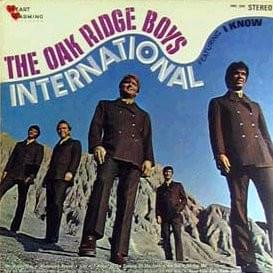
 View Artist