Song Meaning
The lyrics paint a stark picture of a world choked by pollution, poverty, violence, and hypocrisy. The narrator observes an "ugliness of unconcern" and "corruption" that seems to pervade everything. This overwhelming negativity creates a palpable sense of despair, highlighting a world struggling with hate and greed, and a struggle to overcome the relentless cycle of birth and death.
Amidst this bleak landscape, the central tension arises from the narrator's unwavering gaze towards "God," who is repeatedly declared "beautiful." This isn't a passive observation; it's an active counterpoint to the surrounding chaos. The lyrics suggest a profound disconnect between the state of the world and the divine, implying that God's beauty offers a potential, albeit abstract, solution or solace.
The most striking craft element is the direct juxtaposition of societal ills with the singular, repeated affirmation of God's beauty. Phrases like "pollution has replaced the skies" and "violence and hypocrisy" are immediately followed by "Then I look at God and God is beautiful." This creates a powerful contrast, suggesting that even in the face of overwhelming darkness, the narrator finds a source of light and hope that transcends the immediate, tangible problems.
This lyrical structure is effective because it grounds the spiritual in the visceral. The narrator doesn't dismiss the world's suffering but uses it as a backdrop to emphasize the perceived purity and restorative power of God's beauty. The idea that sharing the "joy that His love has brought" could "cure this world" offers a hopeful, albeit idealistic, vision, making the divine presence feel like a tangible force for change against the depicted despair.
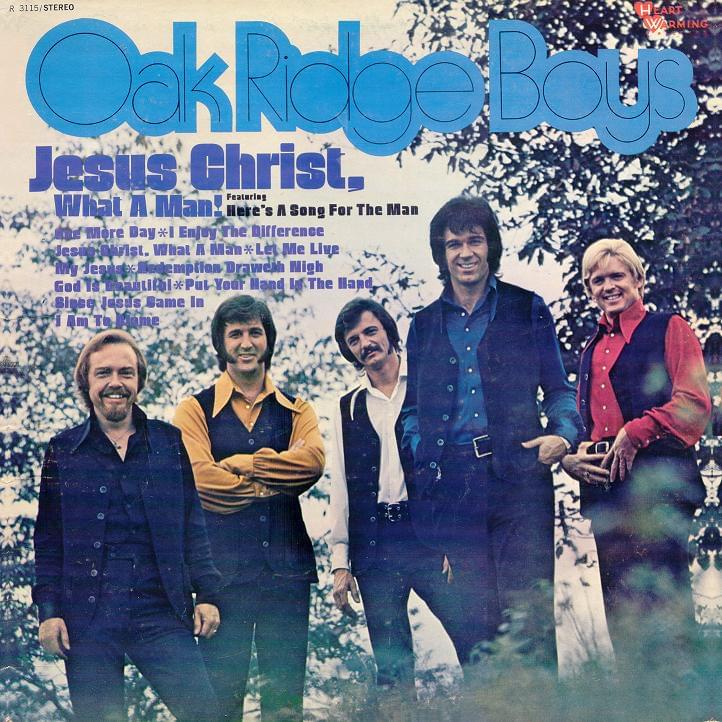
 View Artist