Song Meaning
The lyrics paint a picture of a late-night encounter with a former love, now seemingly with someone new. The narrator walks by their house, noticing the drawn shades and the "dim light cast two silhouettes on the shade." This image immediately establishes a sense of voyeurism and longing, as the narrator observes a scene that was once their own. The repeated phrase "silhouettes on the shade" becomes a haunting refrain, representing an idealized, yet inaccessible, past intimacy.
The central tension arises from the narrator's intense jealousy and confusion. They question, "I wondered why I'm not the guy whose silhouette's on the shade," a raw expression of displacement and heartbreak. This feeling escalates into a desperate, almost violent, act of ringing the doorbell and threatening to "beat down your door." The narrator's emotional state is clearly unraveling, driven by the painful contrast between their current isolation and the perceived happiness of the couple inside.
The most striking moment comes with the unexpected twist: the "two strangers" who were the silhouettes reveal the narrator is "on the wrong block." This revelation shatters the narrator's entire perception of the scene, suggesting the entire scenario of their former lover with someone new was a projection of their own pain. The lyrics then pivot dramatically, with the narrator recalling a past love and vowing to recreate that intimacy, "Vowed that you and I would be two silhouettes on the shade." This ending feels less like a resolution and more like a desperate attempt to reclaim a lost ideal, even if it's based on a misinterpretation.
What makes these lyrics resonate is their unflinching portrayal of heartbreak and delusion. The repeated "silhouettes" motif effectively captures the ghostly presence of a past relationship and the narrator's inability to let go. The shift from intense longing and anger to a sudden, jarring realization, and then to a renewed, perhaps naive, vow, mirrors the chaotic emotional landscape of someone grappling with loss. The craft here lies in building a narrative around a single, potent image that transforms from a symbol of lost love to a symbol of mistaken identity and finally, a hopeful, albeit potentially misguided, future.
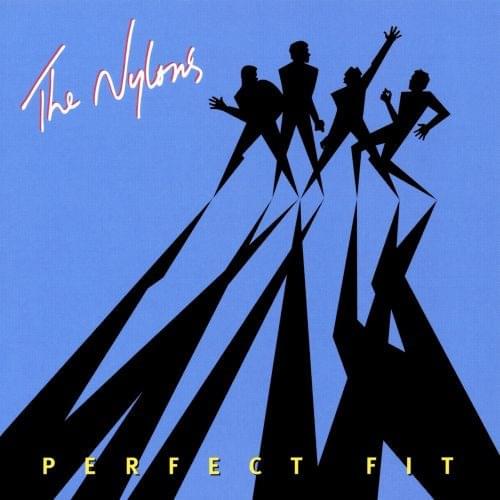
 View Artist