Song Meaning
The lyrics paint a picture of someone whose life is a grind, marked by "trabajares todo dias" and "no dinero," a sentiment echoed in the English "Work too hard for too little money." This daily struggle creates a stark contrast with the vibrant escape offered by "la samba." The samba isn't just music; it's described as "la musica fiesta todo noche" and "la musica mi corazon amor," suggesting it's a profound source of joy and emotional sustenance.
The central tension lies in this dichotomy: the harsh reality of economic hardship versus the liberating power of the samba. The narrator's plea, "Don't take my samba away," underscores how vital this element is for their well-being, acting as a necessary counterpoint to their difficult circumstances. The samba represents more than just dancing; it's a lifeline, a "fiesta" that fuels the "corazon" amidst a life of labor and scarcity.
The song masterfully blends Spanish and English, mirroring the narrator's likely bicultural experience or the universal nature of their struggle and desire for escape. Phrases like "Coma se lloma mi llama" and "Mi llama la samba la danza la amor" are interwoven with direct English statements about financial woes. This linguistic fusion highlights how the need for joy and connection transcends language barriers, with "Vamos a la samba" serving as the ultimate invitation to find solace and expression.
Ultimately, the effectiveness of these lyrics stems from their raw honesty about economic struggle juxtaposed with the unadulterated passion for the samba. The repetition of "Samba samba" and the simple, direct declarations of love and desire ("Teamo," "Quiero") create an infectious rhythm that mirrors the dance itself. It's this potent combination of relatable hardship and the ecstatic promise of the samba that makes the song resonate.
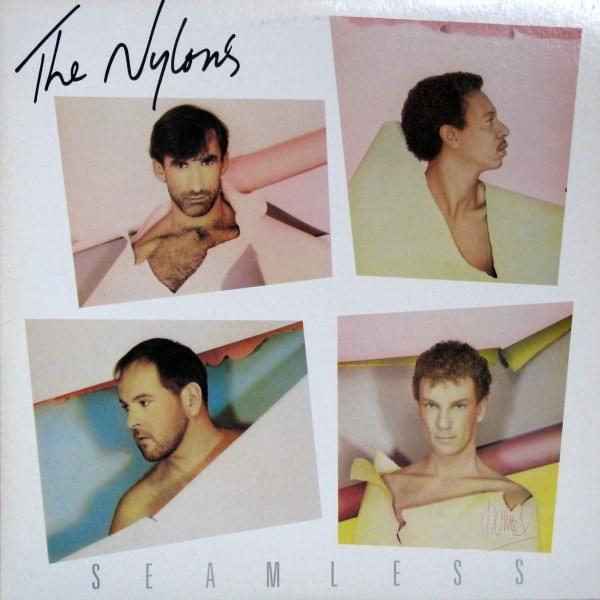
 View Artist