Song Meaning
The lyrics paint a picture of a relationship fractured by a perceived betrayal or a fundamental difference in strength and integrity. The narrator initially claims to have never seen the other person as wrong or particularly strong, suggesting a past blindness or underestimation. However, this is immediately contrasted with a present desire to "avoid and despise," indicating a sharp turn in their perception and emotional response. The core of the conflict seems to stem from a fear of the other person defacing shared experiences, making genuine connection impossible.
The central tension lies in the narrator's inability to reconcile their past view with the present reality, leading to a painful internal "hole." They question the possibility of communication or physical closeness because of the perceived threat to what they've built together. This creates a profound sense of loss and isolation, where the only recourse is a solitary "walk on."
The repeated phrase "Walk on" acts as both an instruction and a lament. It's a command to move forward, perhaps to the other person, or a self-directed imperative to keep going despite the pain. The question "Will it always be the same?" echoes this uncertainty, highlighting the cyclical nature of their struggles and the narrator's fear that this painful dynamic is inescapable.
This piece is effective because it captures the quiet devastation of a relationship's end without grand pronouncements. The raw, almost hesitant phrasing, coupled with the stark imagery of defacement and internal hollowness, creates a palpable sense of vulnerability and resignation. The simple, repeated "Walk on" becomes a powerful, melancholic mantra for enduring emotional damage.
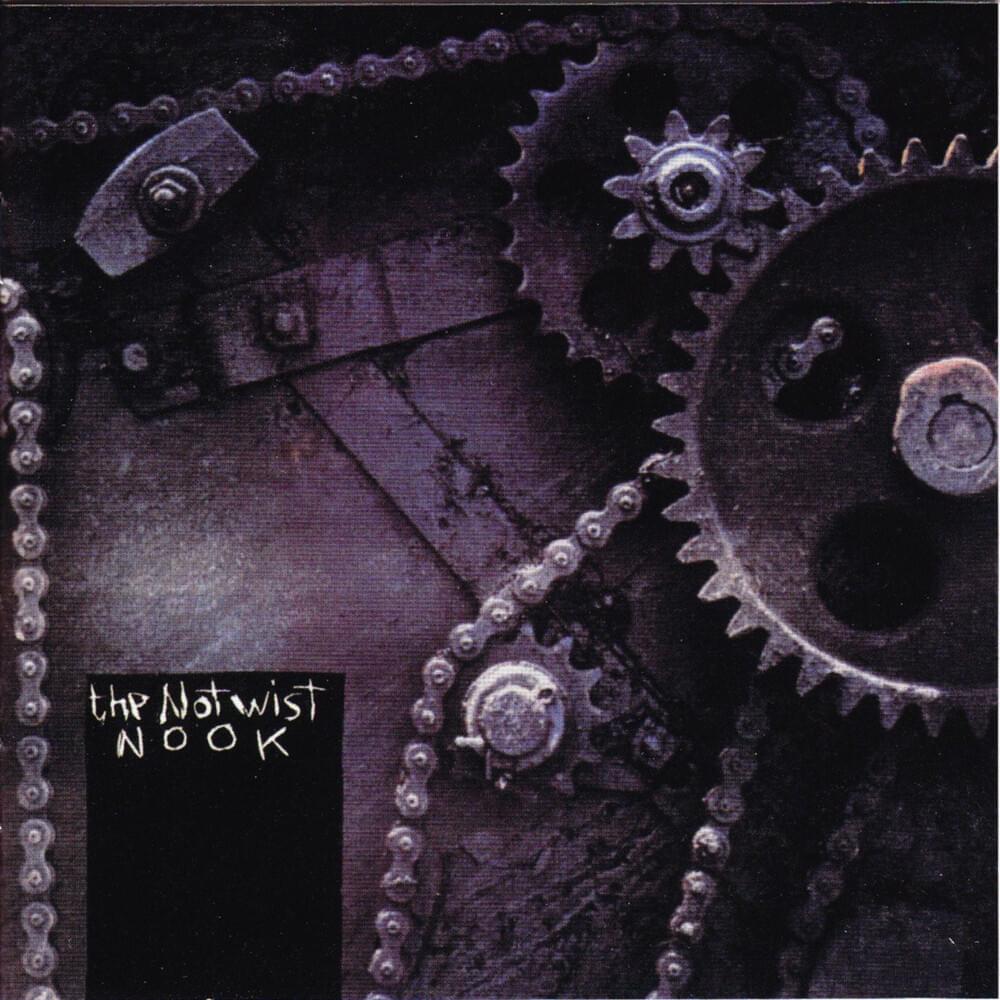
 View Artist